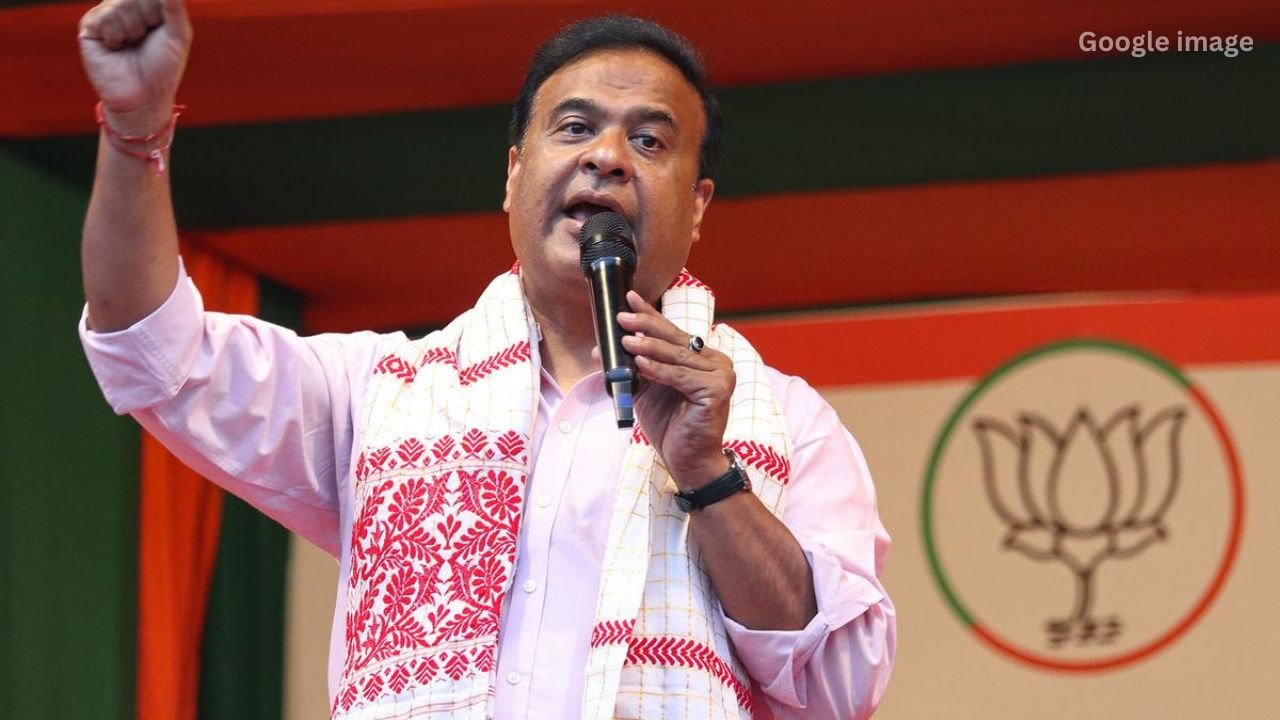
Assam Chief Minister Himanta Biswa Sarma made a strong political statement during an election campaign rally, claiming that a Bharatiya Janata Party (BJP) government would come to power in West Bengal on May 4. His remarks came alongside a warning of strict administrative action against individuals he referred to as “infiltrators.” Sarma’s comments added to the already heated political atmosphere surrounding West Bengal, where electoral dynamics continue to intensify ahead of key political developments.
Allegations of Infiltration and Inter-State Security Coordination
Sarma alleged that in the event of a change in government in West Bengal, certain individuals described as “infiltrators” might attempt to resume illegal activities and move into neighbouring states. He stated that Assam authorities would immediately detain such individuals if they attempted to enter the state. According to him, similar enforcement measures would be implemented in other BJP-ruled states, including Odisha and Bihar, to ensure coordinated monitoring and prevent unlawful cross-border movement. His remarks highlighted a broader narrative of inter-state security cooperation and migration control.
Strict Action and Policy Enforcement Against Illegal Movement
The Chief Minister further asserted that individuals attempting illegal entry would be identified, intercepted, and pushed back in accordance with law enforcement protocols. He emphasized that such persons would not be allowed to re-enter Indian territory once identified. These statements reflect a hardline stance on border and migration management, which has been a recurring theme in Sarma’s public addresses. The focus on surveillance and coordinated action across states underscores the political emphasis on internal security and demographic regulation.
Appeal for Public Participation and Reference to National Leaders
In addition to security-related remarks, Sarma urged citizens to actively participate in the democratic process without fear. He called for public engagement in shaping political outcomes and emphasized the importance of democratic change. During his speech, he also invoked historical figures such as Mahatma Gandhi and Subhas Chandra Bose, suggesting that meaningful societal transformation requires collective courage and participation. His remarks combined political messaging with references to India’s freedom struggle, aiming to resonate with voters on both emotional and nationalistic grounds.