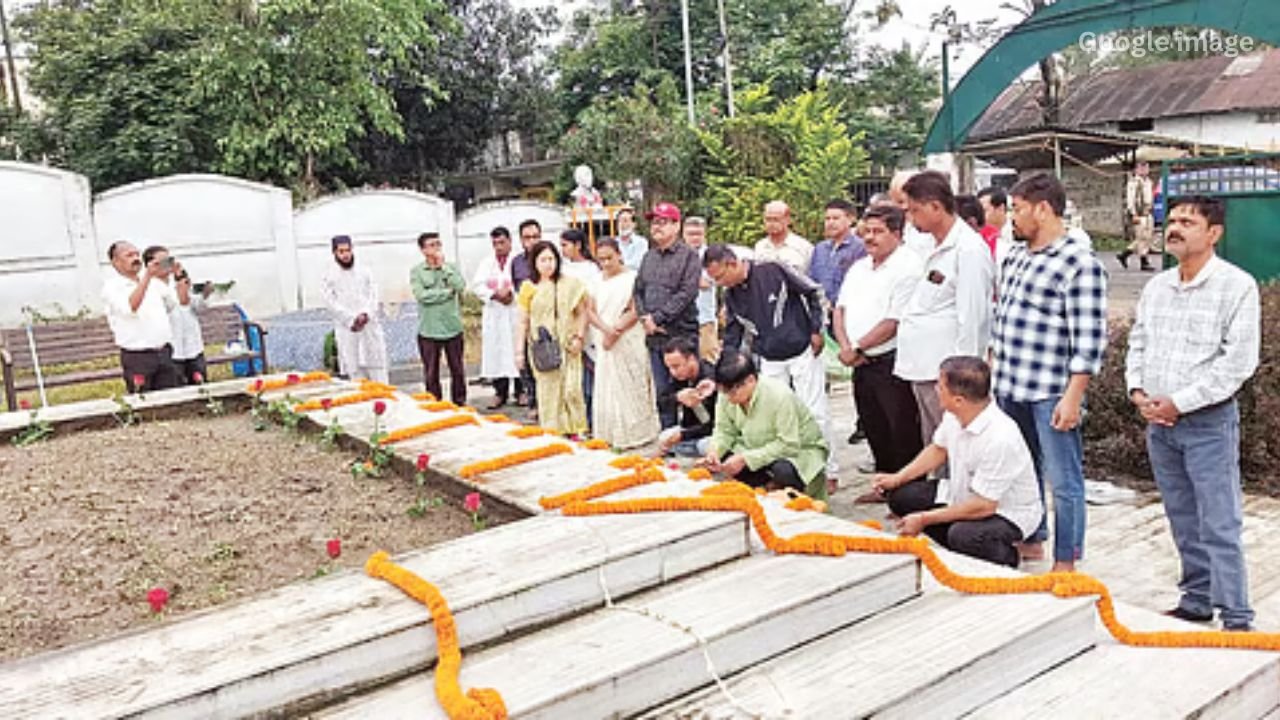
The 30th death anniversary of former Assam CM Hiteswar Saikia was observed with solemn ceremonies across the state on Wednesday. The central memorial programme was held at Rajiv Bhawan in Guwahati under the auspices of the Assam Pradesh Congress Committee. Leaders, party workers, and supporters gathered to pay tribute to the late leader, reflecting on his political journey and contributions during a period marked by significant social and political challenges in Assam’s history.
Congress Leadership Pays Tribute and Highlights Saikia’s Development Vision
Assam Pradesh Congress Committee president Gaurav Gogoi paid homage to Hiteswar Saikia and emphasized his commitment to inclusive development for all communities in the state. Gogoi highlighted Saikia’s governance approach, describing it as one focused on balancing development with social harmony. He also urged the younger generation to draw inspiration from Saikia’s dedication, discipline, and public service values as they engage in civic and political responsibilities in the present day.
Ceremonial Tribute at Rajiv Bhawan With Senior Congress Leaders Present
The memorial programme at Rajiv Bhawan began at 11:30 AM with the ceremonial lighting of lamps by Kamrup Metropolitan District Congress Committee president Swapan Das. Several senior leaders, including APCC General Secretaries Roushan Chettri, Umesh Deka, and Prashanta Majumdar, participated in the event. They offered floral tributes at Saikia’s portrait, marking the occasion with moments of remembrance and reflection on his leadership. The gathering underscored the continued relevance of his political legacy within the party structure in Assam.
Saikia Remembered for Dialogue-Based Leadership and Ethnic Harmony Efforts
Speaking at the event, APCC Media Department Chairman Bedabrata Bora described Hiteswar Saikia as a leader who consistently prioritized dialogue over confrontation while addressing complex issues during his tenure. He noted that Saikia worked toward maintaining harmony among Assam’s diverse ethnic groups and contributed to preserving the state’s cultural and social fabric during sensitive periods. Bora also highlighted that Saikia upheld constitutional values and democratic principles, which continued to define his public image even after his tenure as Chief Minister and later as Governor.