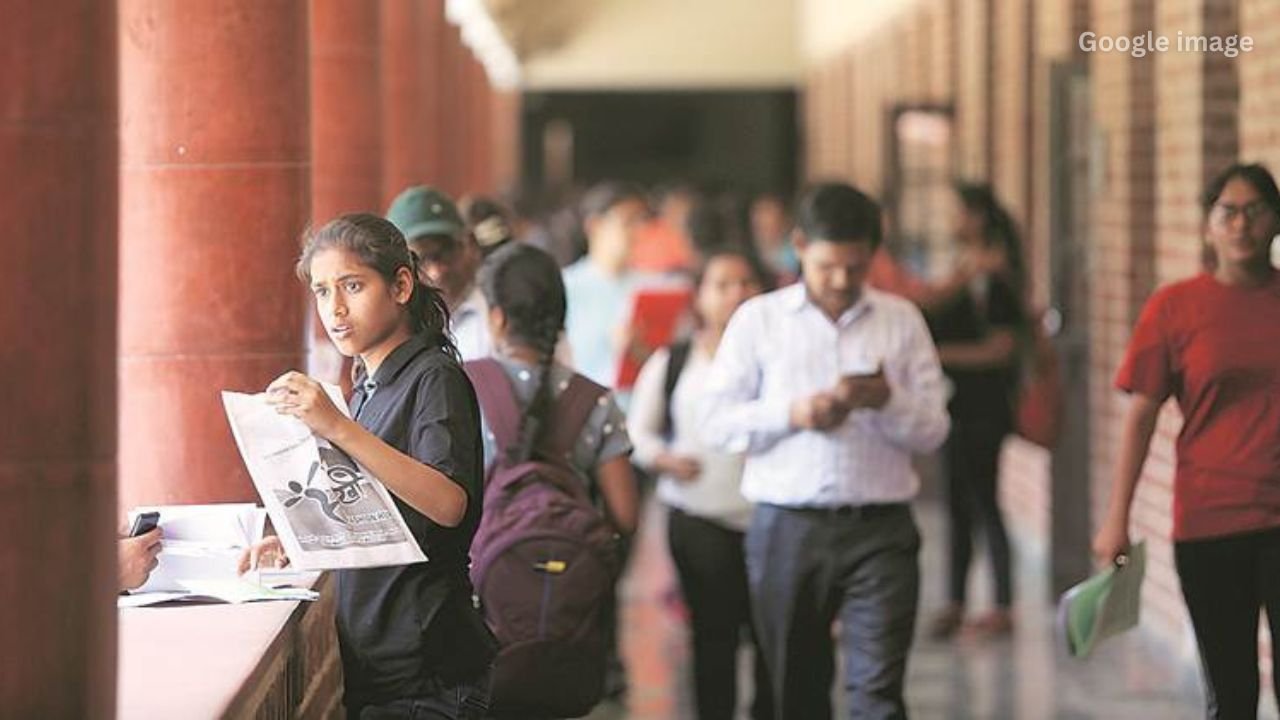
Colleges and universities across the country have grown rapidly. Seats have increased, new courses have opened, and institutions have expanded to cities and towns. Yet, the question remains: are children from all backgrounds able to access higher education equally? Statistics show that while access has increased, opportunities are still not equal between rich and poor, and across different social classes.
India’s higher education has grown rapidly in recent years. From only around 500 colleges in 1950, today there are over 50,000. Universities also number in the hundreds. The share of college-going youth aged 18-23 has increased from 16% in 2012 to 28% in 2022.
Course choice also depends on income.
According to reports, an engineering degree costs an average of 6-8 lakh rupees over four years. This cost increases further in private colleges. Medical education is even more expensive, making it difficult for low-income families to access these courses.
Expenses become the biggest barrier.
Many surveys show that college fees, hostels, books, and the cost of living in cities are major obstacles for poor families. Many students often drop out or choose cheaper courses. Simply opening colleges is not enough; it’s also important to make education affordable and accessible.
This is also a major difference
the number of colleges is higher in the states of South and West India, while many districts in the North and East still have fewer institutions. Some districts have fewer than 10 colleges, while others have hundreds. Similarly, the teacher-student ratio is also not the same everywhere. Where there are good colleges, there are more teachers and better facilities; elsewhere, students have to study with limited resources.