
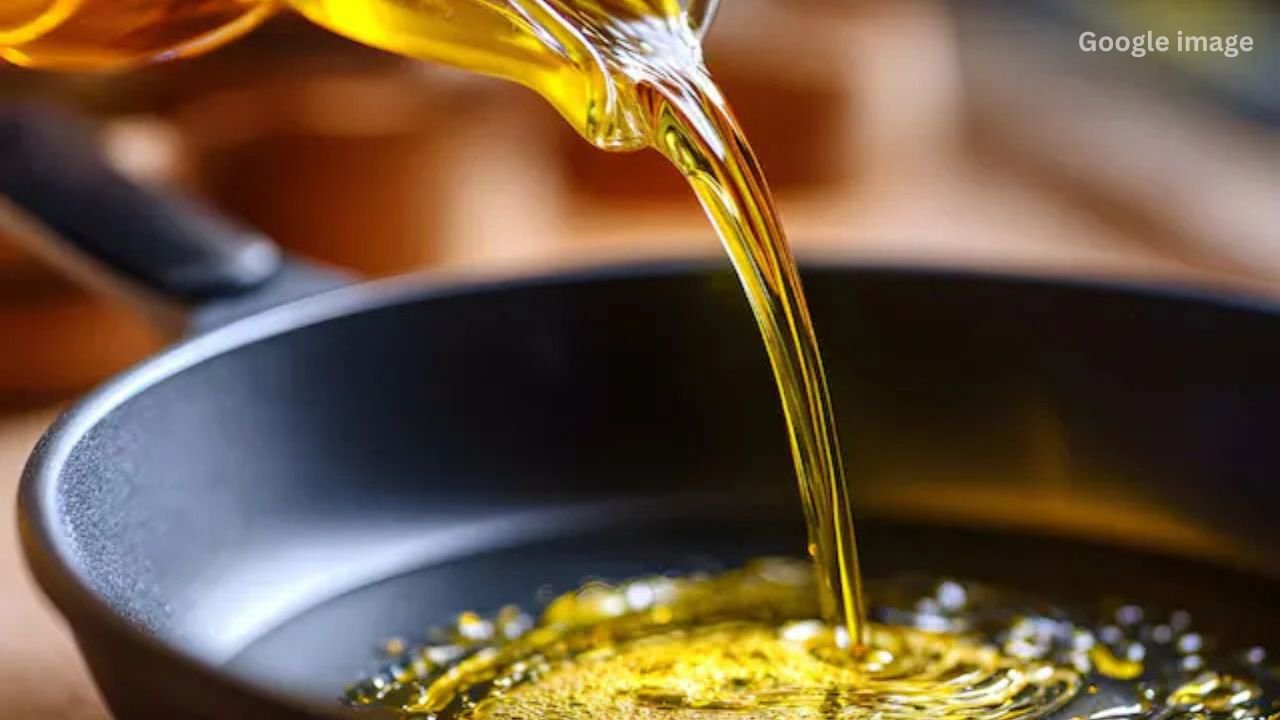
Reheating the oil left over after deep-frying may seem like a cheap way to go. After all, even large fast-food outlets seem to reuse oil. But can this habit be detrimental to your health? Experts say the answer is yes. Dr. Priyanka Sehrawat, a trained general physician and neurologist from AIIMS, New Delhi, and currently associated with The Neuromed Clinic in Gurugram, explains that reheating cooking oil repeatedly can pose serious health risks in the long run.
What happens when oil is reheated repeatedly?
According to Dr. Sehrawat, when oil used for deep-frying is repeatedly heated, it begins to break down and harmful chemicals form in it. Citing a recent survey conducted at a fast-food outlet in Jaipur, she explains that a single batch of oil was reheated so many times that it turned completely black, a clear sign of spoilage.
Reheated oil releases dangerous compounds like carcinogenic compounds, total polar compounds, polycyclic aromatic hydrocarbons (PAHs), trans fats, and free radicals, which can be seriously harmful to the body. All of these compounds can contribute to problems like inflammation, cell damage, and DNA damage.
Health Risks
Reheated oil not only increases the risk of cancer but also poses a serious threat to heart health. Regularly consuming food cooked in such oil can increase bad cholesterol levels, increase the risk of plaque buildup in arteries, and increase the risk of heart attack and cardiovascular disease. These toxins can significantly increase the risk of cancer and heart disease.
What is a safe alternative?
Repeatedly reusing oil for deep-frying is not a good idea. However, if you don’t want to throw away the oil, a more limited and safe method can be adopted: filter the oil thoroughly and store it in a clean container. Use it within 1–2 days for light applications, such as tempering. Avoid deep-frying again, as high temperatures rapidly degrade the oil’s quality and lead to the formation of more harmful compounds.