
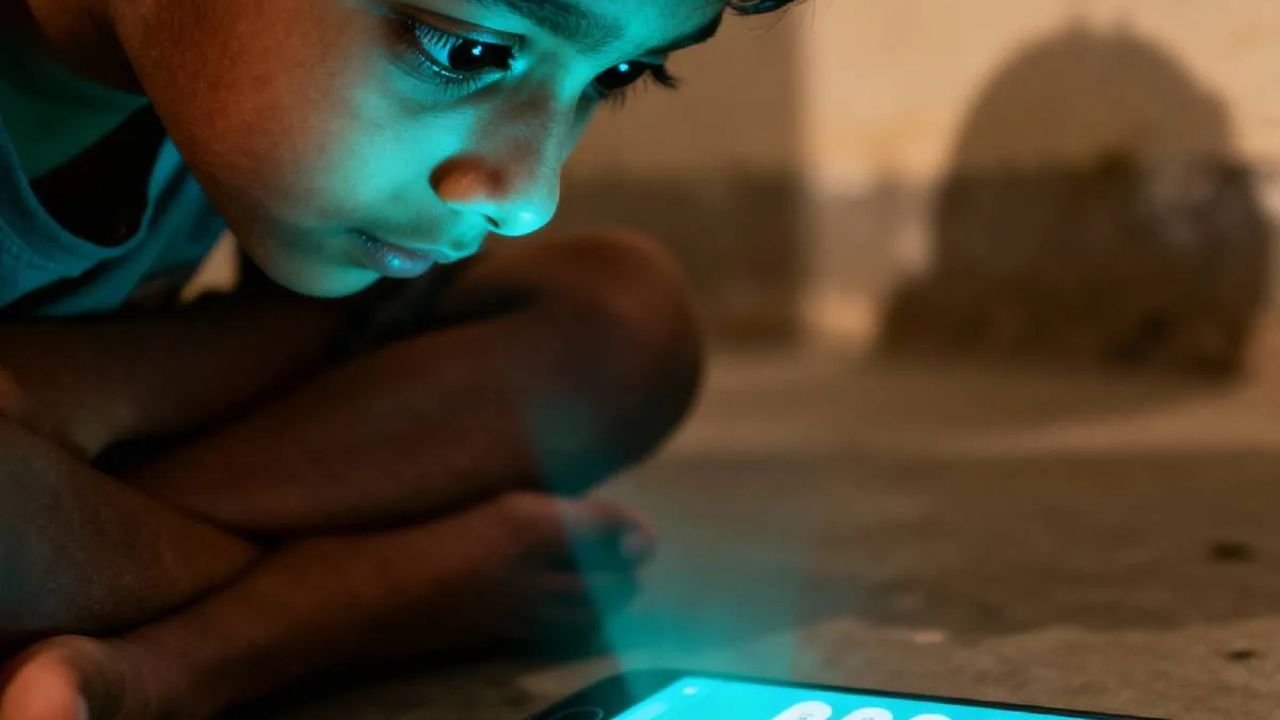
Mobile Addiction: From good morning to good night, fingers are constantly moving on the screen, while the heart and mind remain trapped in the digital world. Today, you’re going to learn the biggest lesson about breaking this habit, this digital trap, from a village. Mohityanche Vadgaon, a small village in Maharashtra’s Sangli district, is where a siren sounds every evening at exactly 7 p.m., signifying “digital detox time begins.” At that moment, the entire village leaves behind mobile phones, laptops, and everything else and returns to the real world. Some do homework with their children. Some sit with their parents and talk. Some stroll around their courtyards. Together, they engage in an hour of “offline healing,” or “mind repair.” This small village has accomplished what the entire world aspires to.
It’s necessary, because today, 73% of people spend 6 to 7 hours a day on screens. This is increasing “screen fatigue,” meaning mental fatigue. “attention drain,” meaning loss of focus, and “phantom vibrations,” meaning even when the mobile phone isn’t vibrating, are felt. Furthermore, the impact on children is even more dangerous after COVID-19. A teenager was found at Ayodhya Medical College who suffered from “nomophobia.” This means “fear of being away from the mobile phone.” He wouldn’t leave his room for days. He began mistaking the virtual world for the real world. This condition is caused by an “algorithm trap.” The mobile phone repeatedly traps you in the same content, leaving you unable to escape. Then, we become lost in “scroll-guilt.” These aren’t just habits, but diseases that impact sleep, self-confidence, and relationships. In such a situation, it’s crucial to set “digital boundaries” and, understanding ground reality, detox through yoga.
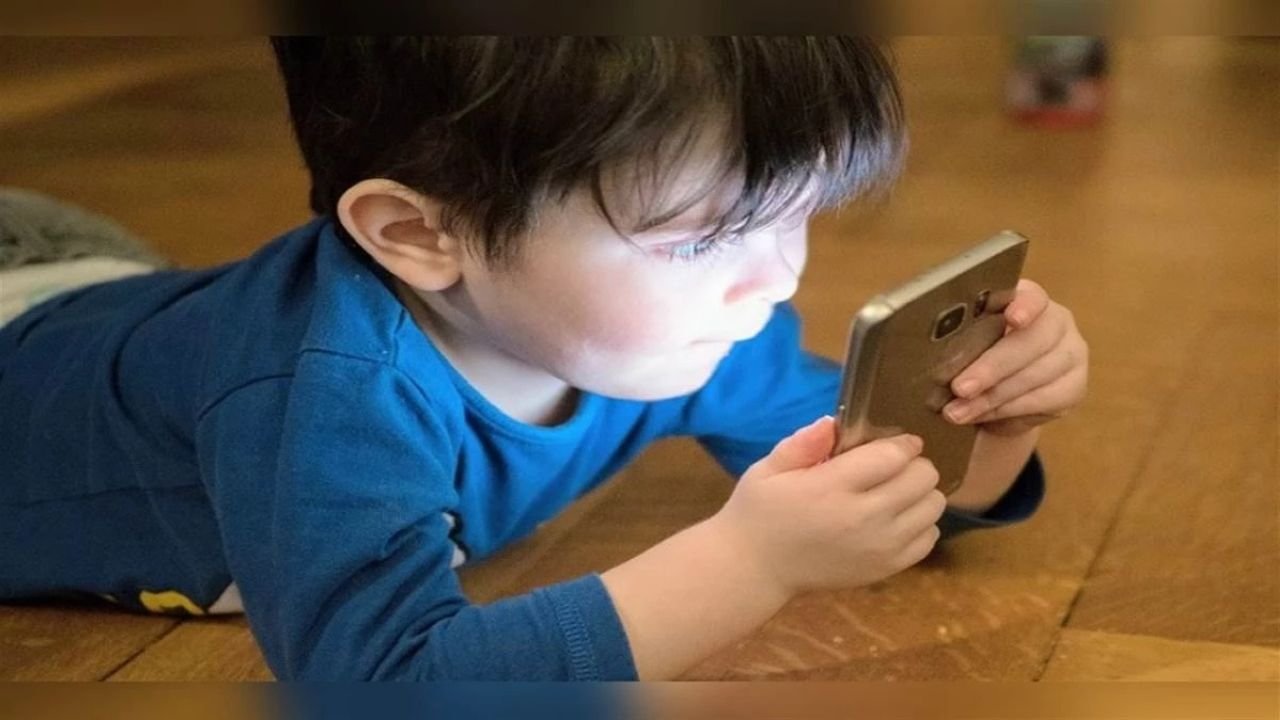
Working on mobile phones and laptops is causing illness.
People who spend hours working on mobile phones are becoming increasingly ill these days. This includes young people. Young people aged 14 to 24 are at higher risk. Cases have increased by 15 to 20% in the past year. Young people are spending 5-6 hours a day on their cell phones. Those working in MNCs spend 8-6 hours on their laptops and 5-6 hours on their mobile phones. 20% of students are on their mobile phones. Sleep disorders have increased in 60% of people due to mobile addiction.
Smartphones are a threat to the eyes.
Blue light damages the retina. Additionally, prolonged use of the phone can weaken vision.
Smartphone Vision Syndrome
- Weakened vision
- Dryness
- Swelling of the eyelids
- Redness
- Problems with bright light
- Habit of staring
Children are misusing their phones
Children are also misusing their phones these days, a fact that parents are unaware of. Meanwhile, 90 percent of parents pay no attention to their children. This leads to a lack of phone addiction, and children’s misuse of phones continues to increase.
Setting digital boundaries is essential.
- A ‘No-Phone Zone’ at night.
- Screens off during mealtimes.
- Real family talk time.