
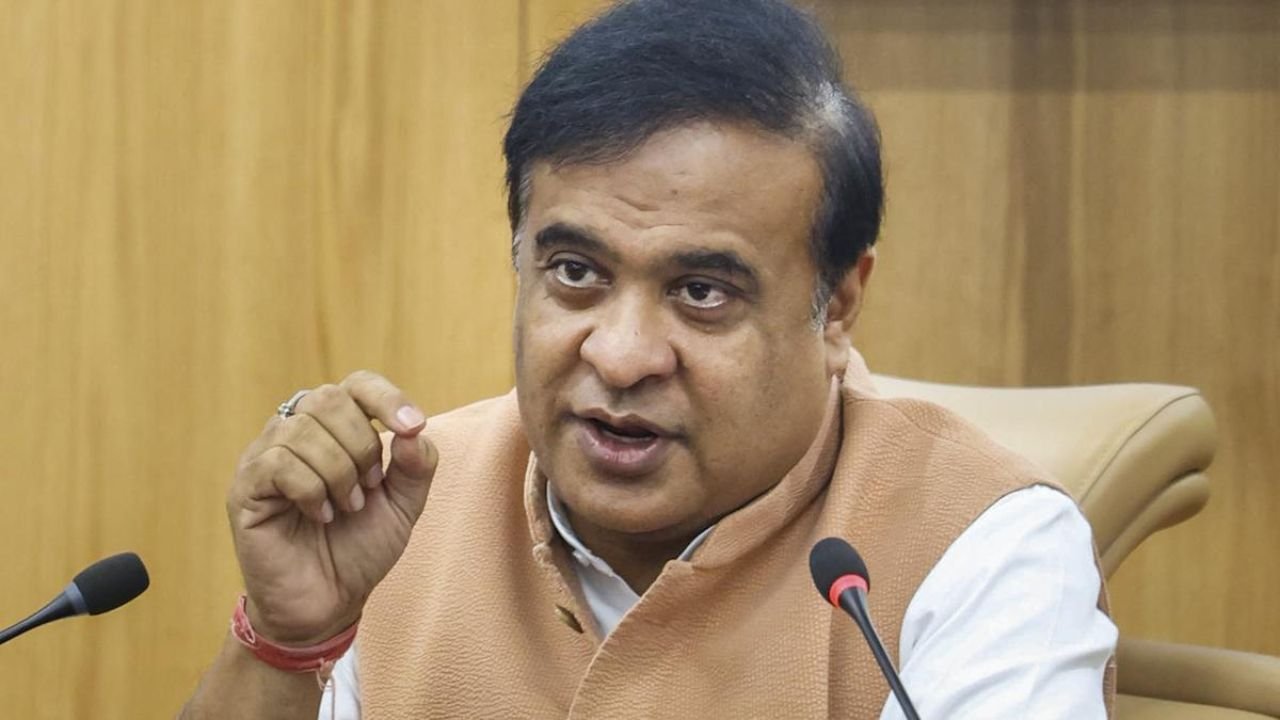
Assam Chief Minister Himanta Biswa Sarma has described the Siliguri Corridor, commonly known as the ‘Chicken Neck’, as one of India’s most critical strategic concerns. This narrow stretch connects the Northeast to the rest of the country and is flanked by Bangladesh on both sides. Sarma warned that India may one day have to acquire 20–22 kilometres of land, either through diplomacy or force, to secure this vital region. Drawing a parallel with medicine, he said, “Surgery becomes necessary when medicine no longer works,” underscoring the seriousness of the issue. He referred to the Chicken Neck problem as an unfinished agenda, adding that the timing and approach would be determined by the central government, and urged patience in addressing the matter.
Criticism of Bangladesh Leadership and Historical Decisions
Targeting Bangladesh’s interim government led by Mohammed Yunus, Sarma predicted that it would not last long and claimed that the current regime had created conditions worrisome for India, especially in border states. Reflecting on history, he questioned the decisions made by former Prime Minister Indira Gandhi during the 1971 war, arguing that India could have demanded land to permanently resolve the Chicken Neck issue. He also blamed Congress-era policies related to Partition, suggesting that wrong decisions forced many Hindus to remain in what was then East Pakistan, creating long-term demographic and security challenges for India.
Concerns Over Violence and Demographic Changes
Sarma expressed serious concerns over violence against Hindus in Bangladesh, citing the killing of a man named Dipu as an example. While condemning brutality against anyone, he highlighted the heightened anger when violence targets individuals based on religion. He further raised alarms over Assam’s changing demographics, claiming that nearly 40% of Assam’s population is now of Bangladeshi origin, compared to 10–15% at the time of Independence. Sarma described this situation as sitting on a “powder keg”, predicting that by the 2027 census, Assam’s Hindu and Muslim populations could become nearly equal, making governance increasingly complex.
Assam’s Vulnerability and the Path Ahead
Sarma warned that post-Hasina Bangladesh was rapidly moving towards extremism, creating fundamental differences with India that could not be ignored. Emphasizing Assam’s sensitive position as a border state, he stressed that external threats and internal demographic changes had brought the state to a point where tough decisions could no longer be avoided. His remarks highlight Assam’s unique strategic and social challenges, underlining the urgency for careful planning and decisive action to safeguard national interests and maintain regional stability.