
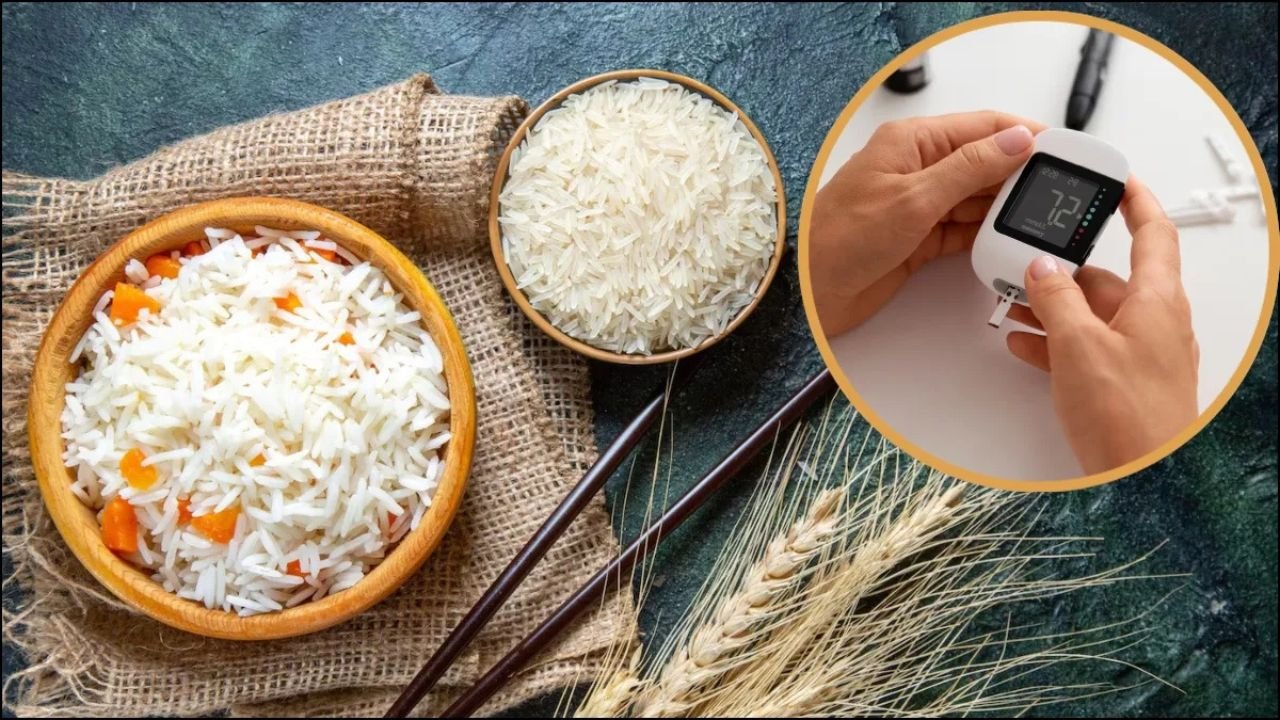
Diabetic patients often avoid rice due to concerns about weight gain and increased blood sugar levels. However, nutritionist Deepshikha Jain shared a video on Instagram explaining that even people with diabetes can consume rice. You can even eat rice while trying to lose weight. You just need to know how to cook and eat it correctly. In the video, she explains that rice itself doesn’t automatically raise blood sugar. Instead, the cooking method determines how the body digests and reacts to it.
A Plate of Rice Can Be a Source of Sugar or Fiber
According to Deepshikha, a plate of rice can be a source of sugar or fiber. The difference depends on how you prepare it. This also shows that rice isn’t entirely the villain it’s often made out to be. You can change its nutritional benefits with a slight modification in the cooking method.
What Happens When You Eat Rice Immediately After Cooking?
Deepshikha explained in the video, “If you cook rice and consume it immediately, it can be harmful. Freshly boiled rice contains a lot of starch, which significantly increases blood sugar and is also high in calories, leading to rapid weight gain.” According to her, for people with diabetes, prediabetes, and weight issues, consuming rice this way can be risky, potentially causing a spike in blood sugar.
When Does Rice Become Healthy?
Unlike freshly boiled rice, cooling cooked rice creates a type of starch that is actually a form of fiber. Because fiber slows down digestion, blood sugar doesn’t rise as quickly. The dietitian explained in detail, “When you cook rice and then cool it for eight to ten hours, the starch converts into resistant starch, which is a type of fiber that is good for your gut health, doesn’t raise blood sugar, and contains significantly fewer calories.”