
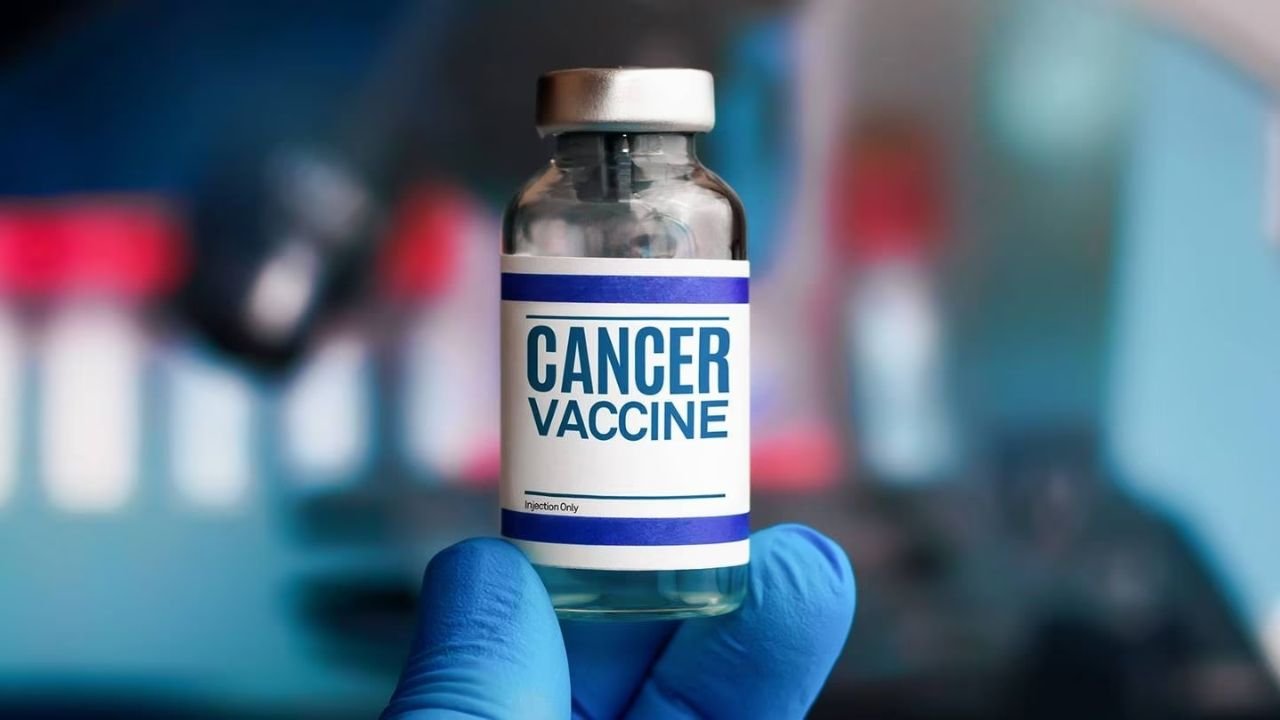
Cancer Vaccine: Scientists at the University of Massachusetts Amherst in the United States have developed a “super vaccine” that completely prevented cancer in laboratory tests on mice. This vaccine activates the body’s immune system in a way that allows it to identify and destroy abnormal cells, thus preventing cancer from developing. The mice that received the vaccine remained healthy for months, while the unvaccinated mice developed cancer. Scientists say this discovery could pave the way for preventing cancer before it even starts.
How does this vaccine fight cancer?
This vaccine teaches the body’s natural immune system to find and eliminate cells that could become cancerous. This prevents cancer from spreading in the body and reduces the risk of developing the disease.
Which types of cancer will the vaccine work against?
According to the information available, this vaccine will not only eliminate one type of cancer but will also protect against several dangerous cancers such as melanoma, pancreatic cancer, and breast cancer. No tumors formed in the vaccinated mice during the tests. This proved that the body can be taught to fight cancer. Most importantly, this vaccine also prevents cancer from spreading to other parts of the body. In fact, most cancer deaths are caused by metastasis, a condition that occurs when cancer spreads to organs like the lungs or liver. If a similar effect is observed in humans, millions of lives could be saved.
What is special about this vaccine?
This vaccine is different from typical vaccines that protect against viruses or bacteria. It works against cancer, which originates from the body’s own cells. It contains a special component that scientists call a “super adjuvant.” This activates the body’s immune system more rapidly, allowing cancer cells to be found and eliminated quickly.
When will the vaccine be available on the market?
Experts say that this research is still in its early stages. The tests have only been conducted on mice, and several more years of testing will be required before it can be used in humans. If this vaccine proves effective in human trials, it could revolutionize cancer prevention. It could help stop cancer before it even starts. This would be particularly beneficial for people with a family history of cancer or those who are genetically predisposed to the disease.