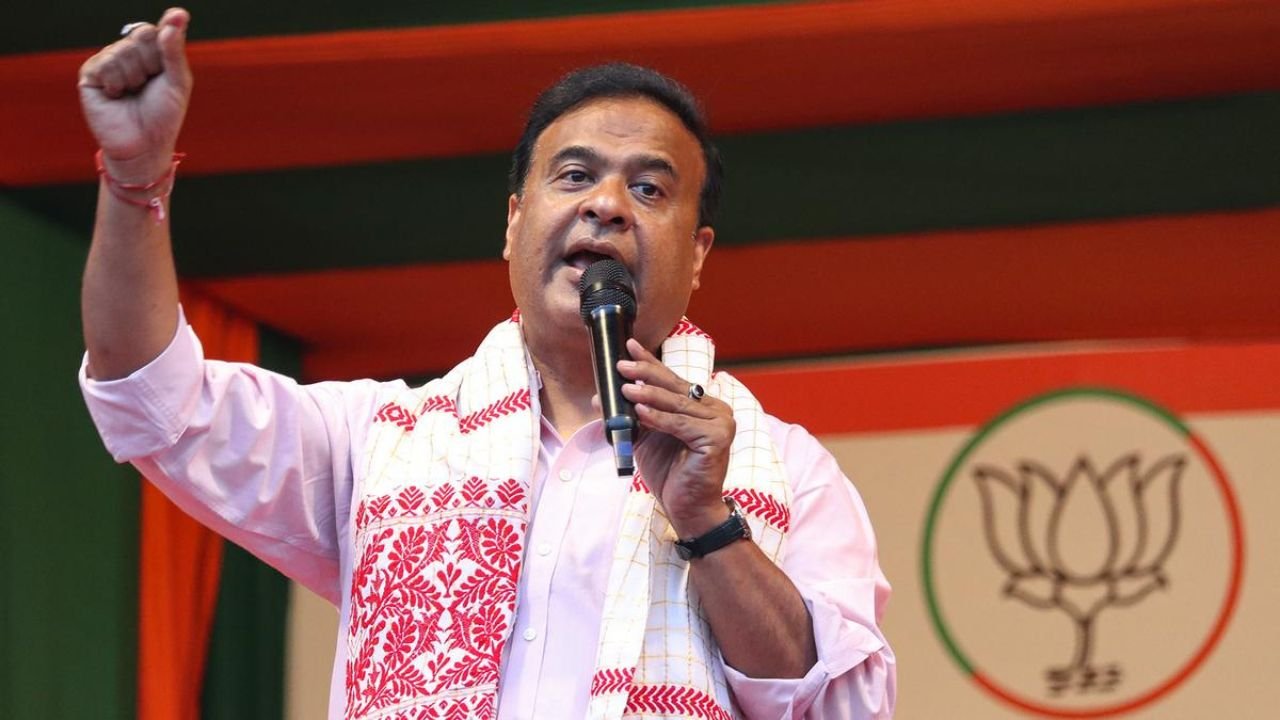
Assam Chief Minister Himanta Biswa Sarma has again made a controversial statement regarding Miya Muslims. He stated that the BJP and its allies can only contest 103 out of 126 seats in Assam. He based this figure on the state’s population. Sarma clarified that he does not rule out contesting the remaining seats, but according to his understanding, due to the demographic pattern, it will be difficult for the BJP to win more than 103 seats. This statement has sparked a new debate in political circles.
Political Rhetoric Regarding Miya Muslims
Chief Minister Himanta Sarma also said that the BJP can win the votes of Assamese Muslims, but not the Miya Muslims. Miya Muslims are Bengali-origin Muslims of Assam whose ancestors came to Assam from East Bengal (now Bangladesh) in the 19th and 20th centuries. During the British period, they were brought to Assam as laborers in tea plantations and to cultivate pastures. The word Miya, while respectful in Bengali, has come to be used derogatorily in Assam.
#WATCH | Guwahati, Assam: CM Himanta Biswa Sarma says, "In Assam, we can't win more than 100 seats. That is the population pattern. We can contest in 103 of the 126 seats in Assam. But it does not mean that we can't contest in other seats. In terms of the population pattern, the… pic.twitter.com/GlY6V6VQFV
— ANI (@ANI) November 21, 2025
Who are Miya Muslims? History and Identity
The identity of Miya Muslims is a controversial issue in Assam. They are mostly pre-1971 immigrants, but they are often labeled as suspect citizens or Bangladeshi infiltrators. This community has become a divisive issue in Assamese politics. Their social and political status has influenced Assam’s electoral dynamics. Sarma’s statement has further deepened this controversy, and the political dynamics surrounding this community appear to be changing in electoral strategies.
BJP’s Seat-Sharing Strategy and New Electoral Equations
Following the BJP’s state core committee meeting in Guwahati, Chief Minister Sarma also explained the seat-sharing formula. He said that the seats the BJP and its allies will contest reflect the state’s demographic structure. He explained that after delimitation, 10-15 new seats have been created in Assam where there are currently no MLAs. Therefore, this time the party will bring forward youth and women. These new seats will increase the BJP’s opportunities.
Changes in electoral politics and the upcoming challenge
Sarma stated that the BJP has always given opportunities to young people, and this time too, new candidates will be given a chance. However, the lack of votes among Miya Muslims has increased discontent among this community. Assam’s social and caste dynamics will remain a challenge for the BJP in the upcoming assembly elections. The opposition will try to exploit this issue. Consequently, the BJP’s seat-sharing and electoral strategy will have a significant impact on Assamese politics.