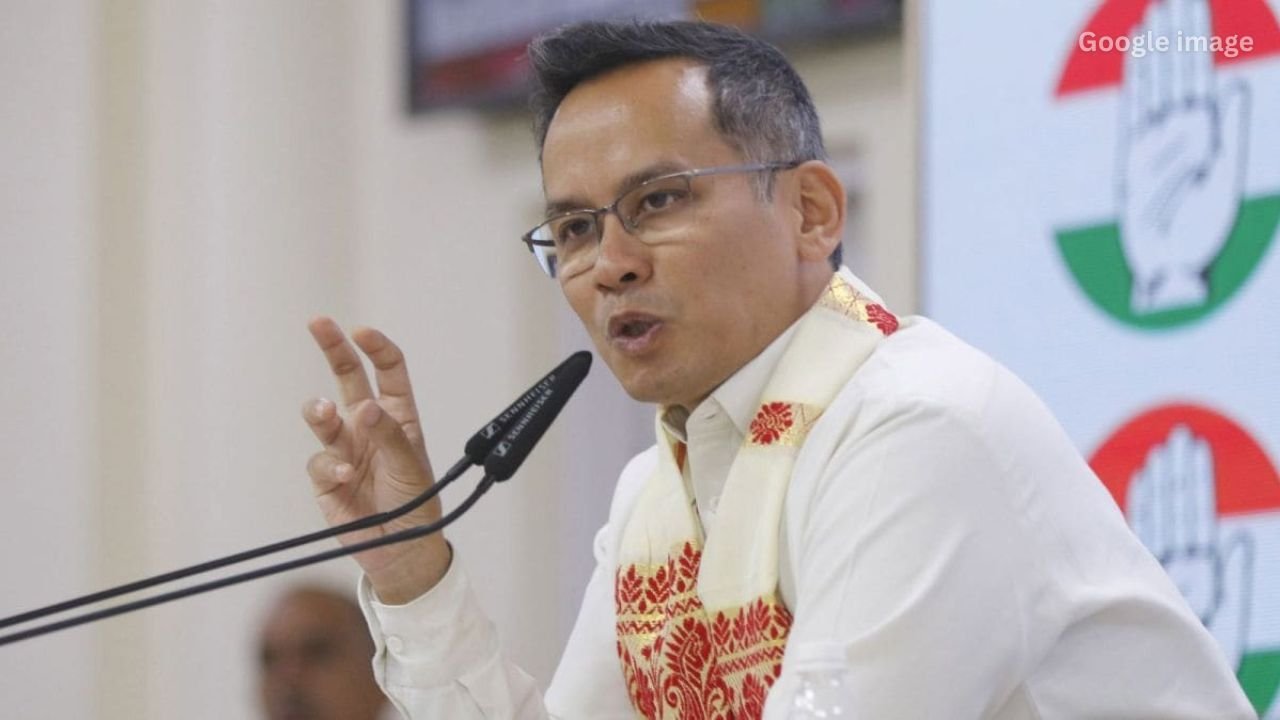
Former Congress leader Kandarpa Kalita resigned from the party in Assam and launched a scathing attack on state Congress president Gaurav Gogoi, accusing him of treating party workers as “servants” and displaying a lack of commitment to Assamese nationalism. Speaking to reporters, Kalita claimed that Gogoi undermines senior leaders and fails to respect grassroots workers, creating widespread resentment within the state unit. “Gaurav Gogoi thinks Congress workers are his servants. This attitude has created deep resentment among party members,” he said, highlighting internal dissatisfaction.
Allegations of False Promises and Lack of Regional Commitment
Kalita further alleged that Gogoi lacks a sense of regional identity and makes hollow promises in the name of justice. He referred to recent political discussions involving popular singer Zubeen Garg, claiming that Gogoi had made repeated assurances regarding justice that were misleading. “Gaurav Gogoi is going around promising justice for Zubeen Garg, but these are nothing but false assurances meant to mislead people,” Kalita stated. The former leader’s remarks suggest that Gogoi’s approach may be alienating both the party’s base and influential public figures in Assam.
Internal Power Struggles and Criticism of Party Leadership
In a sharp critique, Kalita described Gogoi as a “lora raja” (young king), implying a sense of entitlement and autocratic behavior within the party. He also alleged that the Congress in Assam is currently being run under the influence of senior leader Rakibul Hussain, stating, “At present, Congress in Assam is functioning like ‘Congress (R)’, where Rakibul Hussain’s rule is prevailing.” Kalita’s resignation and allegations come at a time when the party is attempting to reorganize its state structure and build alliances with regional parties ahead of the upcoming Assembly elections, signaling deeper internal challenges.
Party Reaction and Implications Ahead of Elections
So far, Congress leaders have not issued an official response to Kalita’s accusations. However, political observers suggest that his comments reflect continuing internal tensions within the Assam Congress. Analysts believe such public dissent could impact the party’s electoral strategy and morale, especially at a time when unity and grassroots mobilization are crucial. Kalita’s resignation and remarks could intensify pressure on the leadership to address allegations of mismanagement, regional disconnect, and factionalism within the party, potentially influencing voter perceptions in the forthcoming polls.