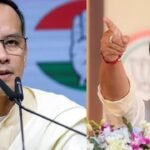
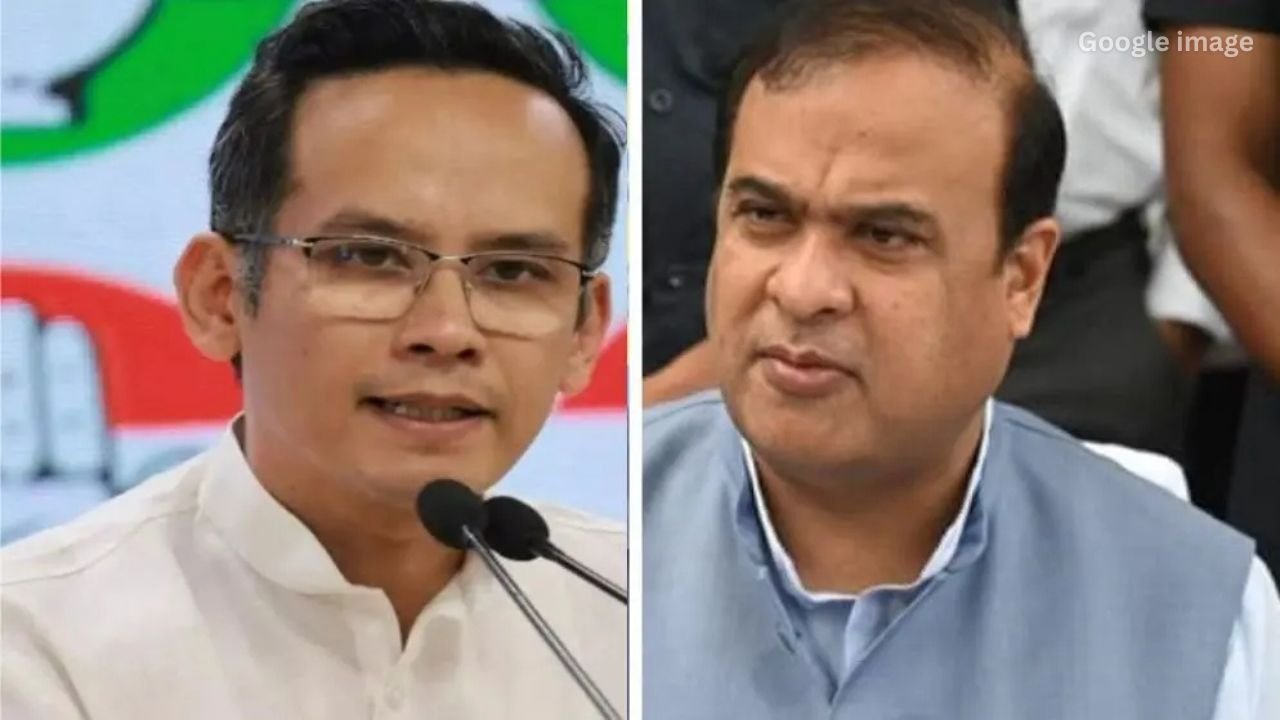
Assam is set to vote on Thursday, April 9, in elections for all 126 Assembly seats, marking a high-stakes political contest between the ruling Bharatiya Janata Party (BJP) led by Chief Minister Himanta Biswa Sarma and the Congress front led by Gaurav Gogoi. Sarma is seeking a rare third consecutive term for the BJP-led alliance, while the Congress aims to capitalize on anti-incumbency sentiment and regroup its support base. With 64 seats required for a majority, the outcome is expected to depend on multiple regional, demographic, and political factors rather than a single statewide wave, making this election one of the most closely watched in recent years.
Delimitation Changes and Identity Politics Reshape Electoral Map
One of the most significant factors influencing this election is the delimitation exercise carried out in 2023, which redrew constituency boundaries based on the 2001 Census. This restructuring reduced minority-dominated seats from around 35 to 23, thereby altering the electoral balance and increasing the influence of indigenous and tribal voters. In regions such as the Barak Valley, constituency mergers have disrupted traditional vote-bank patterns, forcing political parties to recalibrate strategies. These changes have effectively reshaped the political geography of Assam, meaning the current election is being contested on a significantly different map than previous ones, impacting calculations for both major alliances.
Welfare Schemes, Infiltration Narrative, and Competing Political Frames
Another major factor shaping voter sentiment is the ongoing debate around identity, migration, and welfare delivery. The Bharatiya Janata Party has emphasized its stance on protecting indigenous identity through policies linked to the Citizenship Amendment Act (CAA), the National Register of Citizens (NRC), and eviction drives in certain districts. At the same time, flagship welfare initiatives such as the Orunodoi scheme, which provides monthly financial assistance to over 26 lakh women beneficiaries, have helped the party build a strong base of supporters. On the other hand, the Congress and its allies have criticized these measures, arguing that they mask underlying issues such as rising state debt and limited sustainable employment opportunities. This contrast between welfare-driven governance and concerns over fiscal and administrative transparency remains a central theme in the campaign narrative.
Regional Dynamics, Opposition Fragmentation, and Electoral Outlook
Beyond statewide issues, regional dynamics are expected to play a decisive role in determining the final outcome. Voter blocs such as tea garden communities, spread across dozens of constituencies, and tribal populations in the Bodoland Territorial Region carry significant electoral weight. The BJP’s alliances, including partnerships with regional parties like the United People’s Party Liberal (UPPL), along with peace accords with local groups, are being projected as contributors to stability and development. However, opposition unity remains fragmented, with the Congress, AIUDF, Raijor Dal, and Assam Jatiya Parishad competing for overlapping voter bases. This division has historically benefited the BJP, as seen in the 2021 elections. As Assam heads to the polls, the contest is widely viewed as a referendum on the BJP’s governance model versus the opposition’s ability to consolidate and present a unified alternative, with results scheduled to be announced on May 4.