
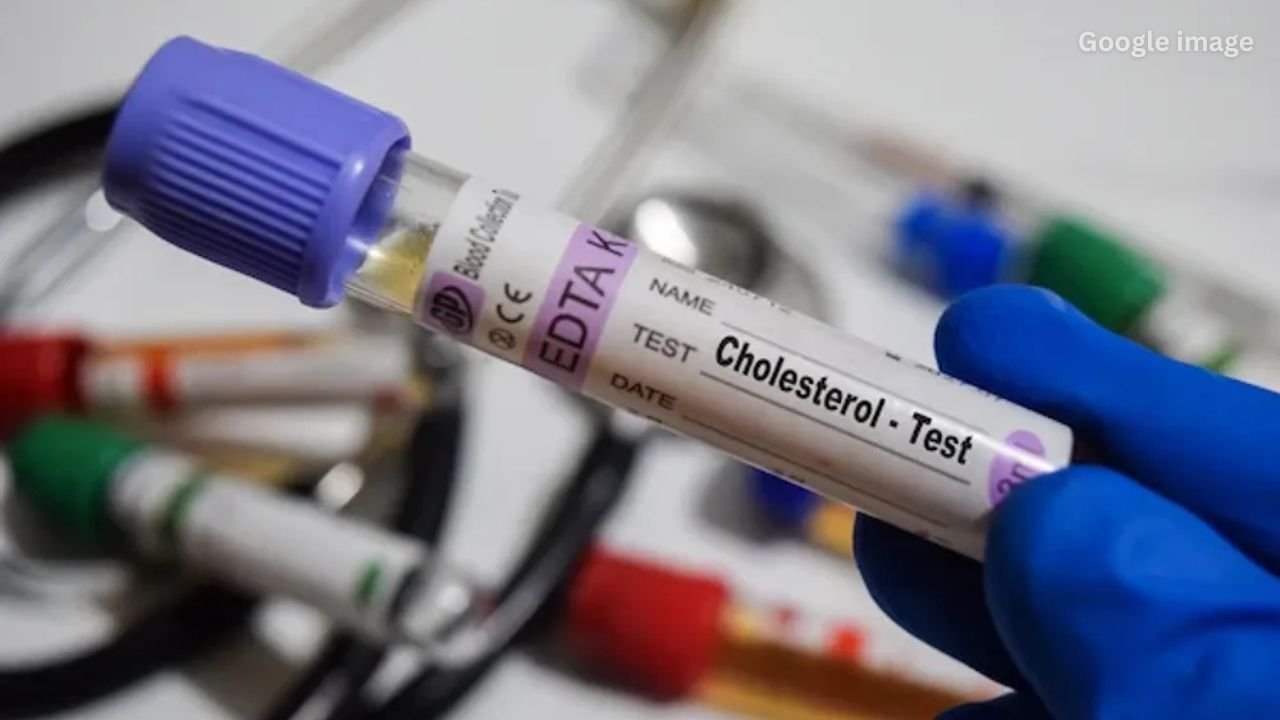
Nowadays, heart attacks and heart diseases are increasing rapidly. Children, youth and the elderly are all becoming victims of it. However, the number of young people is the highest across the world. Bad lifestyle, high blood pressure, stress and high cholesterol are considered to be the main reasons for the increasing heart attacks in young people. Bad cholesterol blocks the veins due to which the cases of heart attack and stroke are increasing. Now, regarding this changing lifestyle, the American Heart Association (AHA) and the American College of Cardiology (ACC) have issued new guidelines regarding cholesterol. In which major changes have been made in the normal level of cholesterol and age.
The American Heart Association’s new guidelines clearly state that if you have a poor lifestyle and are constantly sedentary, it’s important to monitor your cholesterol. Appropriate steps should be taken at an early age. Previously, treatment was given only when a problem appeared, but now, the risk can be detected early.
New guidelines regarding cholesterol level
According to the American College of Cardiology, now appropriate treatment will be given based on the risk over a lifetime, not just for a few years. A special tool, the Prevent Calculator, has been introduced for this purpose. Based on a person’s age, blood pressure, diabetes, and smoking habits, it will determine the risk of heart attack over the next 10 to 30 years. This will assess the risk by categorizing cholesterol into low, borderline, intermediate, and high risk categories.
How much cholesterol should be there?
According to the new guidelines, if you don’t have any underlying health conditions, your LDL level should be less than 100 mg/dL. Those with underlying health conditions or at risk should have cholesterol levels below 70. Those who have had a previous heart attack are at a higher risk. These individuals should have LDL cholesterol levels below 55 mg/dL, which can help protect the heart.
At what age should cholesterol be tested?
Until now, people typically had their cholesterol levels checked after the age of 30, but now attention is being paid to children and young adults as well. Those with a family history of heart disease are advised to have their cholesterol levels checked as early as 9-10 years old. This can help reduce the risk of heart disease.