
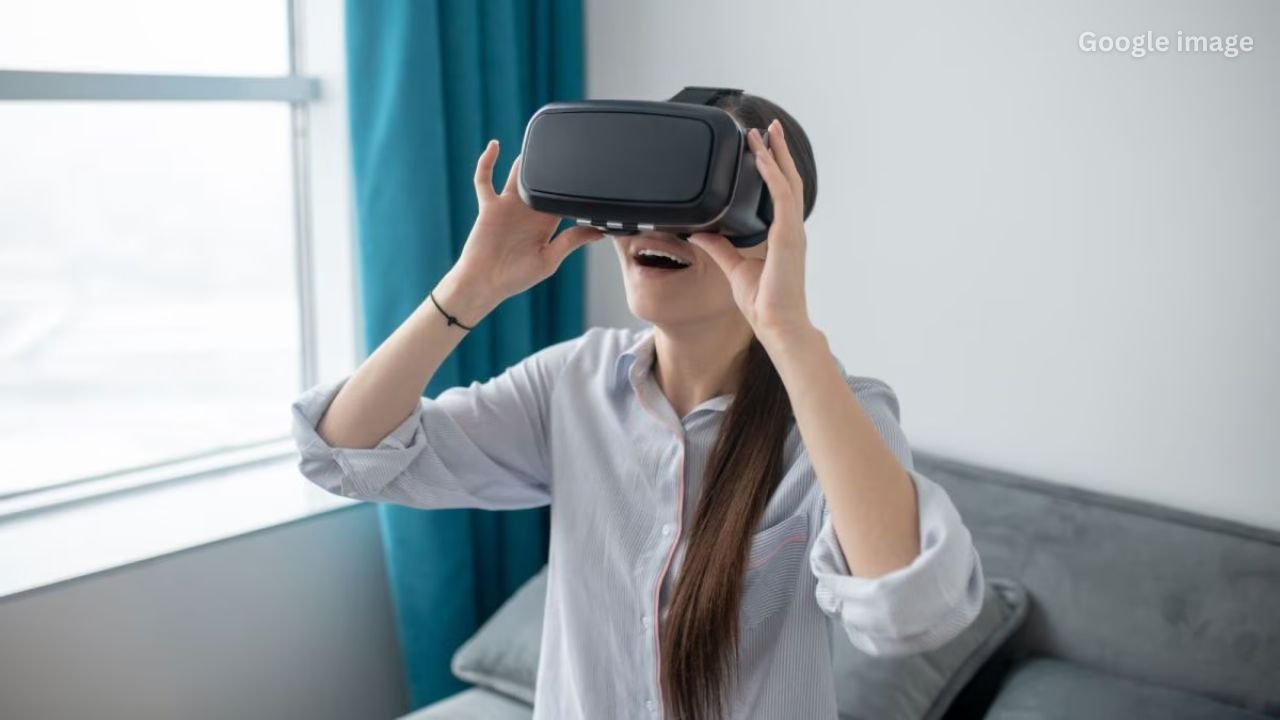
VitalID: A new and unique biometric system has emerged in the world of technology called VitalID. It was developed by researchers at Rutgers University. Its unique feature is that it doesn’t require a password, PIN, or fingerprint; instead, it identifies you based on vibrations generated within your body.
Your unique identity is created by your body movements.
Our bodies are never completely still. With every breath and heartbeat, subtle vibrations are produced that travel through the neck and up to the head. When these vibrations reach the head, they produce very subtle vibrations.
Each person’s head shape, thickness, and bone density are different. Facial muscles and fat also influence these vibration patterns. This is why each person’s vibrations create a unique pattern that can become their identity.
How does this system work?
VitalID doesn’t require any new hardware. The motion sensors already built into modern VR and AR headsets can do the job. The system uses these sensors to detect subtle head vibrations caused by breathing and heartbeat. The software then excludes other normal movements, such as head turns or walking, and recognizes only biological signals. It then matches these signals to a pre-saved profile to confirm your identity.
is it safe?
Most biometric systems, such as face, fingerprint, or eye scanning, can be copied in some way. However, copying head vibrations is considered extremely difficult. While someone may be able to imitate your breathing, replicating the shape and internal structure of your head is nearly impossible. This is why this system is considered more secure.
How is the performance?
A study tested this technology on 52 people over a period of approximately 10 months. It found that the system was able to identify the correct user in over 95% of cases, while identifying the wrong ones in over 98% of cases. Furthermore, this technology received special recognition at a major cybersecurity conference in 2025.
The login technology of the future?
As VR and AR devices become increasingly common for accessing banking, health records, and office systems, the need for secure and easy login systems is growing. VitalID could be a major step in this direction, where users don’t need to do anything; simply wearing the headset will automatically recognize the authentic user.