
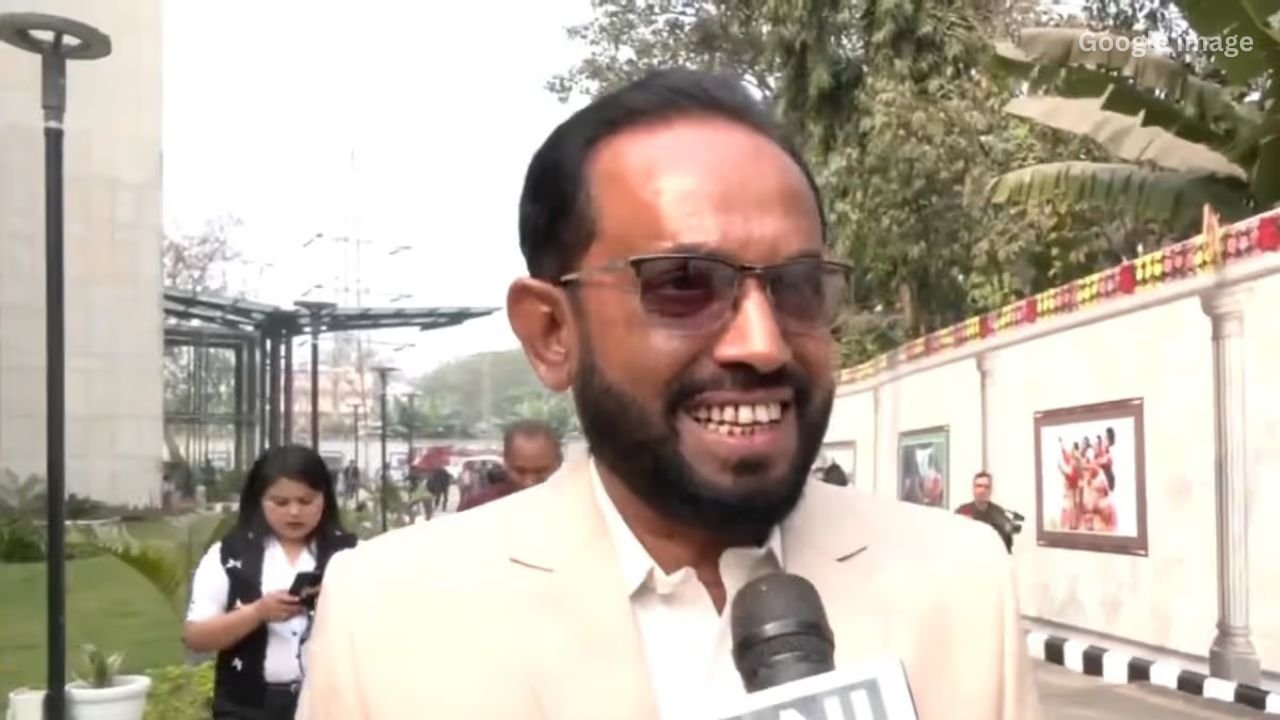
Assam: Hours after filing his nomination for the Goalpara East constituency, Raijor Dal candidate Abdur Rashid Mandal put eviction at the forefront of his campaign, promising compensation and rehabilitation for families displaced by recent government drives. Mandal, previously the Congress MLA from Goalpara West, shifted constituencies after his earlier seat was reserved for Scheduled Tribes following the 2023 delimitation. He claimed eviction drives have affected over 1,000 families and uprooted between 5,000 and 8,000 people in the constituency. “These people have not received compensation or alternative land to sustain themselves. I am contesting to ensure justice for the evicted,” Mandal said.
Evictions and Allegations of Conspiracy
Mandal accused the BJP-led coalition government under Chief Minister Himanta Biswa Sarma of orchestrating eviction drives under the guise of clearing encroached forest land. “I suspect records were manipulated during joint surveys by revenue and forest departments. Legal recourse is necessary, and I am ready to pursue it,” he added. Since 2021, the Sarma government has carried out over 30 major eviction drives, affecting roughly 100,000 people across 49,500 acres of allegedly encroached land. Families like that of Ainuddin Haque, displaced from Dhalpur-Gorukhuti in Darrang district, lost cultivable land and struggle to survive on irregular jobs. The first major eviction at Dhalpur-Gorukhuti resulted in clashes leaving two civilians, including a 12-year-old, dead, and 18 others injured.
Social and Political Impact
Critics claim that the eviction policy disproportionately affects Bengali-speaking Muslims, often referred to as ‘Miyas,’ while Assamese locals remain largely untouched. Experts say the drives reflect a complex combination of political, social, and ideological factors, including hardline Hindutva and Assamese sub-nationalism, which have intensified existing polarisation. Kaustubh Deka, political science professor at Dibrugarh University, noted that “the evictions are a broad and complex mix of social reform, political agendas, and sub-nationalist priorities.” Advocates like Ainuddin Ahmed of AAMSU warn that eviction is likely to influence voting patterns in affected areas, with minority voters potentially shifting support toward the Congress or regional parties.
Electoral and Legal Challenges
Eviction and relocation have also complicated voter registration for affected families. Many displaced residents report missing names on updated electoral rolls, which could affect voting rights in their new constituencies. Last month, the Gauhati High Court directed the Assam government to provide basic facilities such as potable water, sanitation, and medical care to displaced families living in temporary camps. However, the government has stated that eviction drives will continue, with Sarma asserting that only part of the encroached land has been cleared. “Evictions will continue unabated, and the pace will only double in the next government,” he warned, reinforcing the contentious nature of the issue as the state heads toward the April elections.