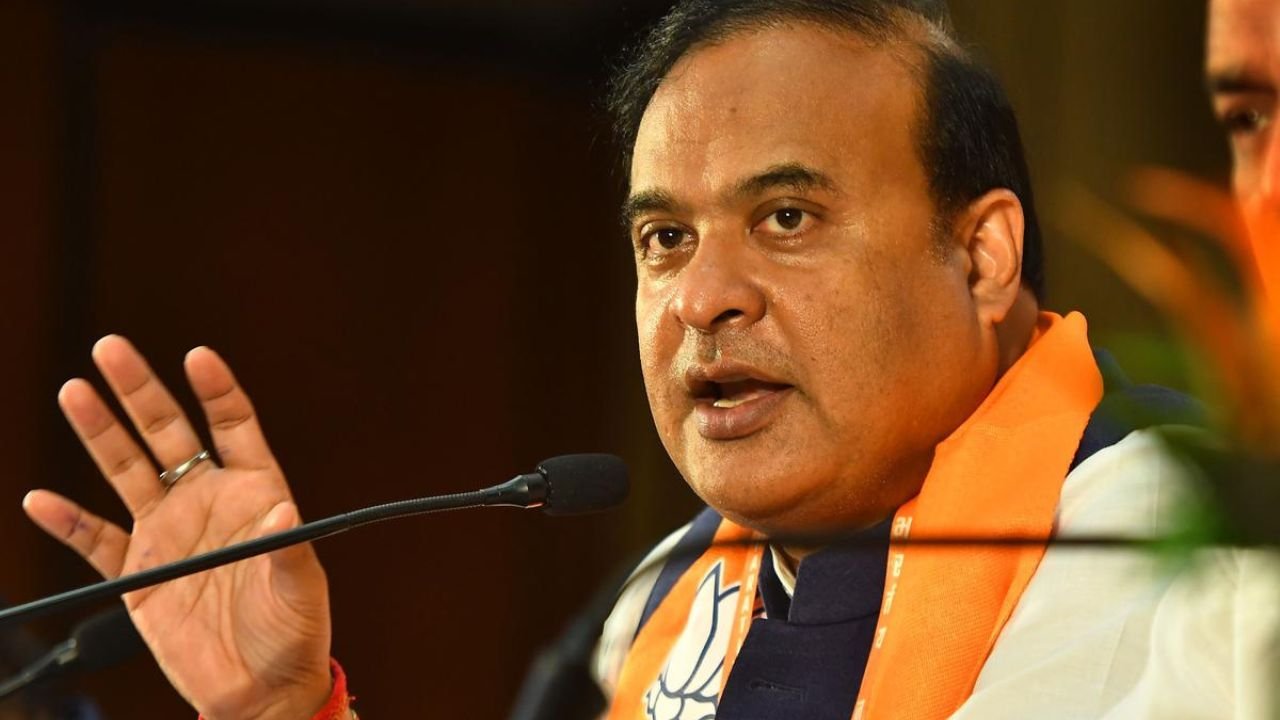
As Assam’s 2026 assembly elections draw near, Chief Minister Himanta Biswa Sarma has come under intense scrutiny for his incendiary statements targeting the state’s Bengali Muslim community. Sarma, widely regarded as the BJP’s key strategist in Northeast India, has consistently deployed rhetoric critics describe as polarising or even “genocidal.” On 27 January, he openly encouraged actions against “Miyas,” a term used derogatorily for Bengali Muslims, asserting, “We are not hiding anything. We directly say that we are against Miyas.” His comments coincided with a BJP-wing video posted online suggesting Sarma shooting at Muslim men with slogans like “No mercy” and “Foreigner free Assam.” Though the video was later deleted following public backlash, it marks a clear escalation in his inflammatory messaging.
Polarisation as Political Strategy
Sarma’s approach reflects a deliberate strategy of sectarian polarisation, mirroring tactics the BJP has deployed in other Indian states when economic or developmental promises fail to resonate. Speaking to journalists, he defended divisive rhetoric, stating, “Assam is a polarised society, and for the next thirty years, we have to practice politics of polarisation if you want to live.” This messaging aims to consolidate a specific voter base while demonising the Bengali Muslim minority. Analysts note that his claims about Assam’s rapid economic growth—citing the Reserve Bank of India data for 2020-2025—obscure the reality of widespread economic hardship, including nearly one million educated youth actively seeking jobs with limited opportunities provided by the state government.
Development Promises and Economic Disparities
While Sarma frequently highlights initiatives like the Advantage Assam 2.0 investment summit, which reportedly secured over USD 56 billion in pledges in 2025, critics argue that actual investment outcomes remain limited. Much of the previous 2018 summit’s promised investment never materialised, and existing public sector undertakings accounted for most of what did. This pattern reflects a broader trend where development promises are used to enhance electoral appeal, but fail to address structural economic issues such as unemployment, underemployment, and limited infrastructure access for rural and minority populations. These shortcomings have arguably intensified Sarma’s reliance on polarising rhetoric to maintain political momentum.
Electoral Manipulations and Voter Suppression Allegations
Alongside provocative speech, Sarma’s administration has been linked to electoral manipulations targeting minority communities. The Special Intensive Revision (SIR) of voter rolls in Assam has reportedly resulted in the removal of approximately 243,000 voters, with Bengali Muslims disproportionately affected. Unlike other states where documentary verification is required, Assam’s door-to-door verification allowed mass deletion of names under Form 7, including objections that critics claim are politically motivated. Sarma openly admitted to ordering these filings, estimating that 400,000 to 500,000 Bengali Muslims could be removed from voter lists. Opposition leaders argue that this strategy aims to ensure BJP dominance by suppressing votes from communities historically opposed to the ruling party.