
Cancer is a dangerous disease, leaving no time for delay. The sooner cancer is detected, the easier it is to save a patient’s life. The risk of cancer increases or decreases depending on its stage. However, some people still harbor a greater fear of certain cancers, such as blood cancer, which is considered more dangerous. Let’s learn from a doctor which cancers are the most dangerous and what the survival rate is.
Which cancer is the most dangerous?
According to Dr Neha Garg (Senior Consultant & Head of Medical Oncology Department, Andromeda Cancer Hospital, Sonipat), there is no single most dangerous cancer, but pancreatic cancer, liver cancer, small cell lung cancer (SCLC) and glioblastoma i.e. brain cancer are considered the most fatal.
5-year survival rate
- Pancreatic cancer: Patients have an 8.3 to 13% chance of survival. On average, 10% of patients can be saved in the early stages.
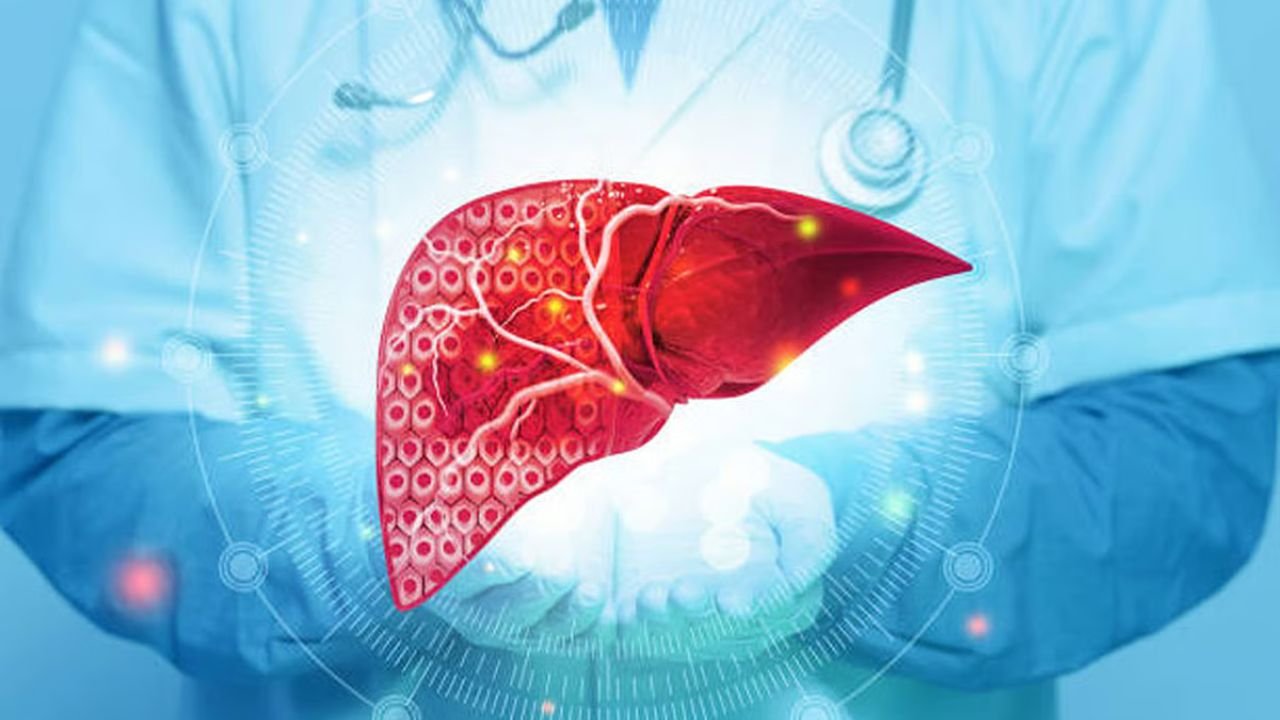
- Liver cancer – The average survival rate of the patient is around 13.4 percent.
- Glioblastoma – Brain cancer with a prevalence of 12.9% and an average lifespan of 12-18 months.
- Small cell lung cancer (SCLC) – In this the patient’s chance of survival is less than 7%.
- Esophageal Cancer – In this, the patient’s chances of survival are up to 16.3 percent.
The only way to reduce your risk of cancer and live a long life is to get tested for cancer in a timely manner. Learn about the symptoms of cancer, and if you have even the slightest suspicion, talk to your doctor immediately. The sooner cancer is detected, the sooner the patient can begin treatment and the better the chances of survival. If there is a family history of cancer, it is very important for you to get tested regularly.