
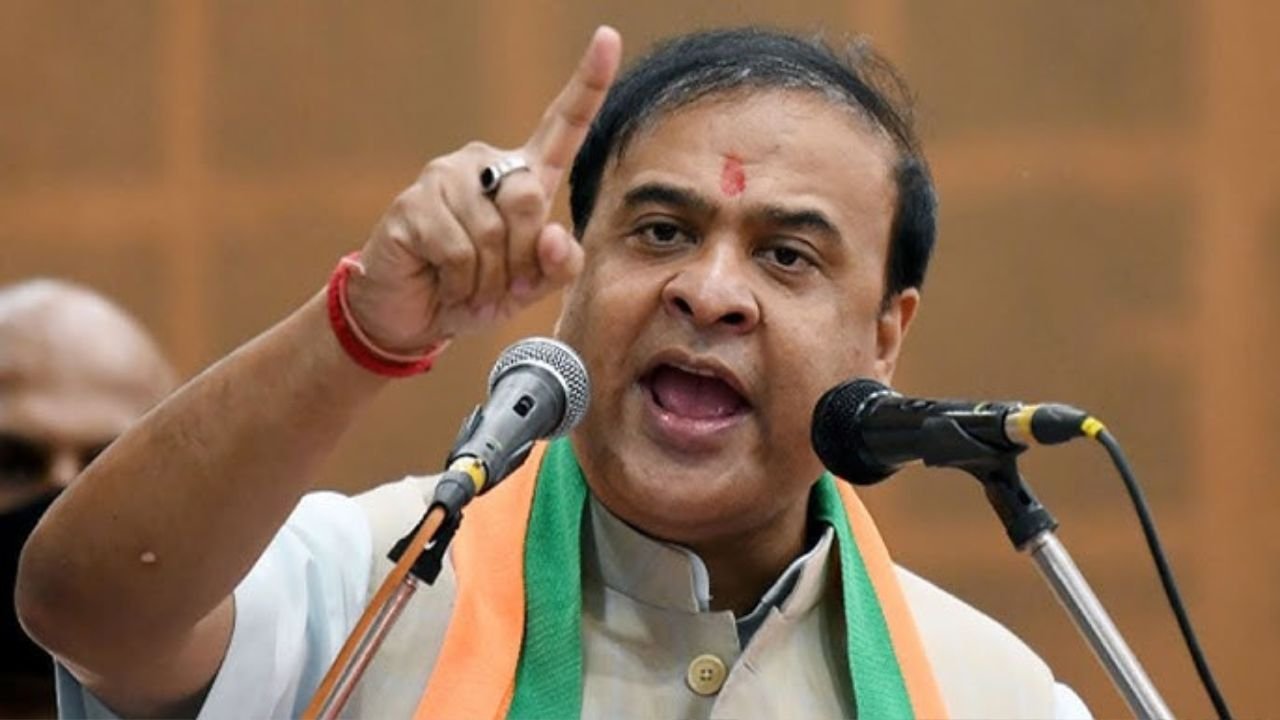
Assam CM Himanta Biswa Sarma on Tuesday, February 3, 2026, welcomed the announcement of a proposed underground rail link along the narrow and strategically crucial ‘Chicken’s Neck’ corridor in West Bengal. He described the project as a major step toward securing transportation connectivity between the Northeast and the rest of India. The corridor, known for its geopolitical sensitivity, has long been considered a vulnerable passageway, which Mr. Sarma said should have been addressed decades ago, particularly after the 1971 war.
Strategic Vulnerability of ‘Chicken’s Neck’ Long Overdue for Addressing
Mr. Sarma underscored the “strategic vulnerability” of the ‘Chicken’s Neck,’ a thin strip of land just over 20 km wide in the Siliguri region of northern West Bengal. Sandwiched between Nepal and Bangladesh, with Bhutan and China not far away, the corridor has been used as a leverage point by anti-national forces within and beyond India’s borders. Calling the new underground rail link “a major strategic breakthrough,” he said it will create a foolproof and secure transportation corridor. Sarma also expressed gratitude to Prime Minister Narendra Modi and Railway Minister Ashwini Vaishnaw for driving the initiative forward.
Details of the Proposed Rail Link and Expansion Plans
Railway Minister Ashwini Vaishnaw revealed on February 2 that plans are underway to construct underground railway tracks along this 40-km stretch, which will also see the existing tracks expanded to four lines. Northeast Frontier Railway officials specified that the underground lines will run between Tin Mile Haat and Rangapani railway stations in West Bengal. One of the new lines will extend toward Bagdogra, a critical hub for the country’s air defense network. This development aims to reinforce national security by ensuring uninterrupted connectivity to the Northeast despite geopolitical challenges.
Historical Context and Long-Standing Concerns of Connectivity
CM Sarma reflected on historical decisions that have shaped the current strategic scenario. He noted that India’s first Prime Minister, Jawaharlal Nehru, “bartered Chittagong port” during Partition, which has contributed to the Northeast’s reliance on the vulnerable ‘Chicken’s Neck’ corridor. Sarma also referenced then Prime Minister Indira Gandhi’s post-1971 war opportunities to expand the corridor for more direct access to the Northeast, which he believes were missed. With the new underground rail link, Sarma asserts that India is finally taking a “giant step” to mitigate these long-standing vulnerabilities.