
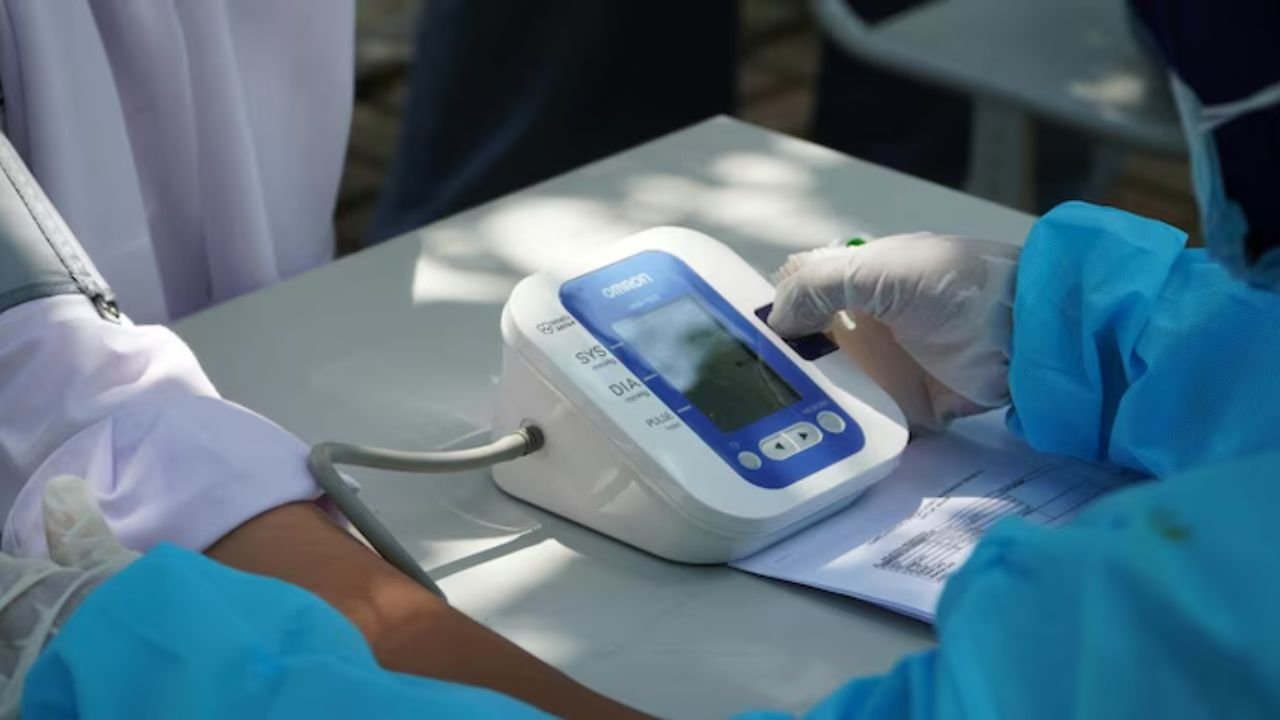
Secondary Hypertension in India: High blood pressure has become a common problem in India, yet a large number of people remain unaware of it. Regular check-ups, a healthy lifestyle, and awareness can prevent serious risks such as stroke, heart attack, and kidney failure. However, the concern is not just about general hypertension, but about its more dangerous form, secondary hypertension, which carries a much higher risk of damage to the heart and other organs. Doctors and cardiologists have long observed this shift, and new research has now confirmed it.
What did the research reveal?
According to the study, more than 22 percent of young Indians aged 18 to 40 who were diagnosed with high blood pressure were suffering from secondary hypertension. This figure is in stark contrast to global estimates, where it is believed that in about 90 percent of cases, hypertension is primary. This means that the secondary form of high blood pressure is no longer rare among young people in India and is rapidly increasing.
Researchers say that cases of hypertension are continuously increasing among young adults in India, and the role of secondary causes is becoming increasingly significant in this age group. This trend signals serious implications for the future.
Hypertension is one of the biggest causes of heart disease worldwide. According to the WHO, approximately 17.9 million deaths each year are due to diseases related to high blood pressure, accounting for about 31 percent of global deaths. High blood pressure is defined as a blood pressure that consistently remains at or above 140/90 mm Hg. Systolic pressure is the pressure when the heart pumps blood, while diastolic pressure is measured when the heart is at rest. Normal blood pressure is considered to be below 120/80 mm Hg.
A silent killer for people
Recent scientific data indicates that the overall prevalence of hypertension in India is between 30 and 35.5 percent, affecting an estimated 314 million people. The situation is further complicated by the fact that nearly half of men and more than a third of women with hypertension are unable to control their blood pressure despite taking medication, which is why it is often called a silent killer.
What is secondary hypertension?
According to the Mayo Clinic, secondary high blood pressure, also known as secondary hypertension, is a condition in which high blood pressure is caused by another medical condition. This problem can be due to disorders in the kidneys, arteries, heart, or hormone-related systems, and is sometimes seen during pregnancy. This differs from primary hypertension, the more common type of high blood pressure, for which there is no identifiable cause. If secondary hypertension is diagnosed in time, both the underlying condition and the blood pressure can be controlled, significantly reducing the risk of serious complications such as heart disease, kidney failure, and stroke.
What are its symptoms?
Like primary hypertension, secondary hypertension often shows no specific symptoms, even when blood pressure has reached dangerous levels. However, if a person experiences certain signs along with high blood pressure, it may indicate secondary hypertension. These include blood pressure that remains uncontrolled despite medication, sudden and extremely high blood pressure (systolic above 180 mm Hg or diastolic above 120 mm Hg), medications that previously controlled blood pressure becoming ineffective, the sudden onset of high blood pressure before age 30 or after age 55, no family history of high blood pressure, and the individual not being obese.