
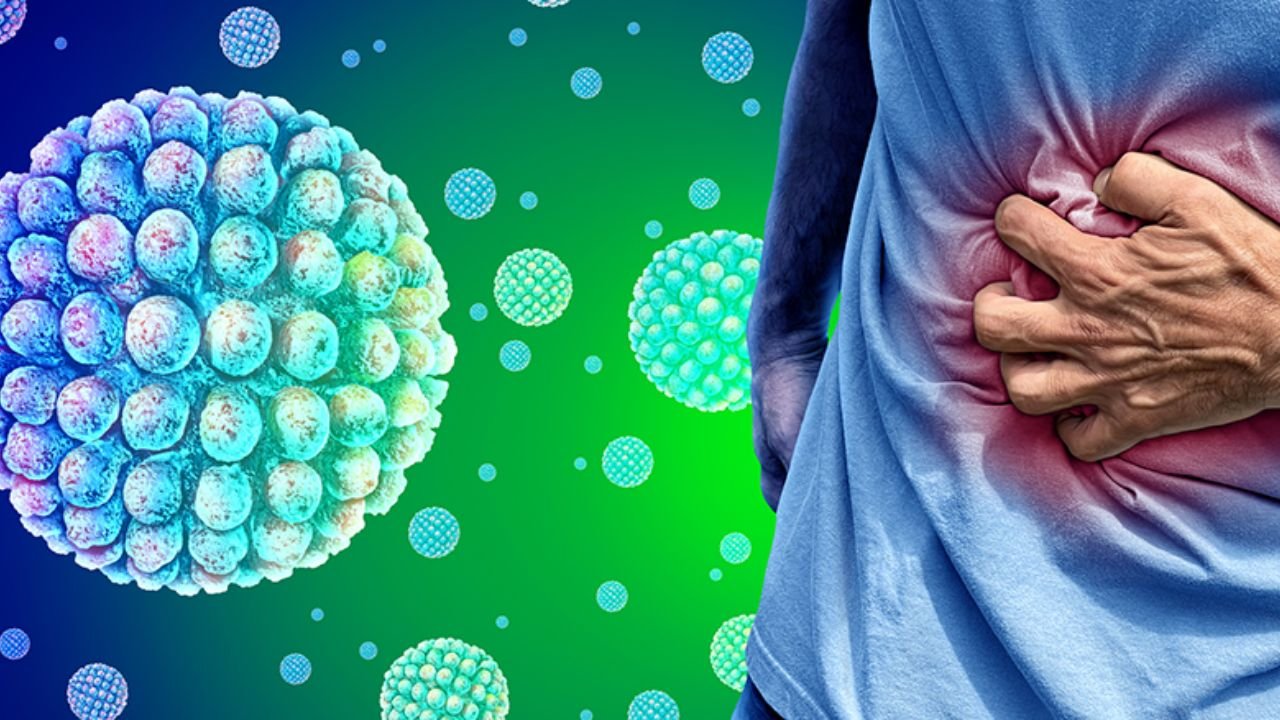
Norovirus Outbreak In China School: After Corona, now another virus has knocked in China. 103 students have been found infected with Norovirus in a senior high school located in Foshan city of Guangdong province of South China. Local health officials said on Saturday that all the students are safe and none of the cases is serious or life-threatening. Norovirus is a virus which causes acute gastroenteritis. It usually shows symptoms like vomiting, diarrhea, stomach pain and weakness. These students of Xinhui Middle School had recently shown similar symptoms, whose initial investigation confirmed Norovirus infection.
What did the medical department say?
According to the health department, the condition of all 103 students is stable. As a precaution, the school campus has been thoroughly disinfected. Students’ health is being monitored regularly, and their attendance is being monitored. Epidemiological surveys are also underway to determine the source of the infection. Guangdong provincial disease control officials stated that norovirus cases typically increase between October and March each year. The virus spreads particularly rapidly during the cold season.
What is norovirus?
Norovirus is considered a very common virus worldwide. Approximately 685 million cases are reported annually, including approximately 200 million children under the age of 5. Globally, the virus kills approximately 200,000 people each year, including approximately 50,000 children. Its greatest impact is felt in low-income countries. The global cost of norovirus, including healthcare and economic losses, is estimated at approximately $60 billion. The first outbreak of norovirus was recorded in 1968 in Norwalk, Ohio, USA. Therefore, the initial strain was called “Norwalk virus.”
How does this virus spread?
This virus causes gastroenteritis, which many people commonly call stomach flu. However, it is different from the flu, as influenza viruses cause respiratory illness, not stomach illness. Norovirus is usually spread through dirty food or water. The risk increases if you eat food touched by an infected person, undercooked shellfish, or vegetables and fruits washed with dirty water. The virus can survive on surfaces like doorknobs, faucets, and counters for up to two weeks.
How can we protect ourselves?
According to the NYT report, there is no effective vaccine for this disease, so prevention is the best option. The most important precaution is frequent handwashing with soap and water. Hand sanitizer alone is not effective against this virus. Bathrooms and frequently touched surfaces should be cleaned with water mixed with bleach. If someone becomes infected, they should rest at home and drink plenty of fluids; water, soup, and electrolyte drinks are beneficial.