
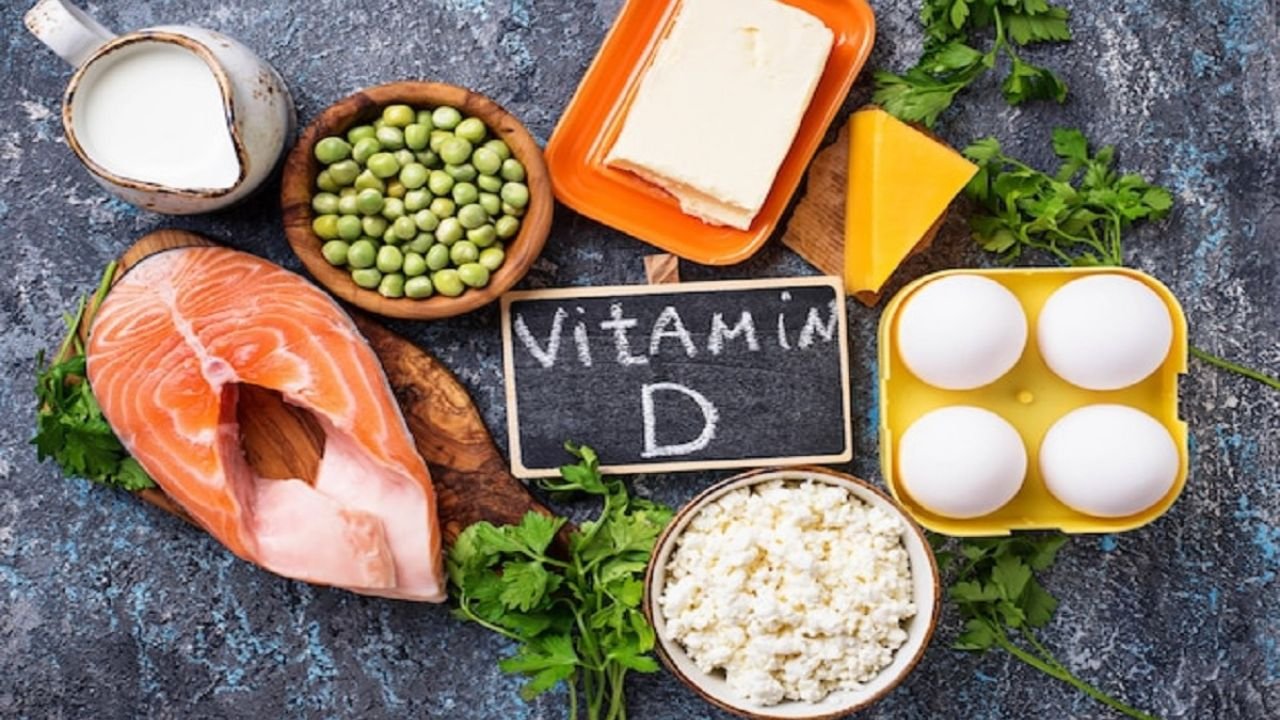
During the winter months, reduced sunlight exposure leads to vitamin D deficiency in many people. Vitamin D deficiency is often taken lightly, but its long-term consequences can be serious. A lack of vitamin D can lead to bone pain and muscle weakness, as well as increased stiffness in the joints and a higher risk of fractures. Therefore, maintaining adequate vitamin D levels in the body during winter is crucial. To combat vitamin D deficiency in winter, be sure to include these foods in your diet.
Vitamin D Deficiency in Winter
Due to less sunlight in winter, many people experience a drop in their vitamin D levels. Doctors report seeing many patients during this time complaining of knee pain, back pain, and muscle fatigue. In many cases, this is due to vitamin D deficiency, which is exacerbated by the lack of sunlight. Vitamin D is essential for calcium absorption and bone mineralization. Therefore, it’s important to include some vitamin D-rich foods in your diet.
What to Eat to Increase Vitamin D?
Fatty Fish – Fish is considered a good source of vitamin D. Salmon, mackerel, sardines, and tuna are among the best natural sources of vitamin D. If you eat non-vegetarian food, include these fish in your daily diet. Try to eat them at least two to three times a week. This can help maintain bone density and muscle strength.
Eggs – People often avoid egg yolks, but they contain a good amount of vitamin D in addition to fat. In winter, eggs also help keep the body warm, and eating them helps address vitamin D deficiency. Eating eggs is considered good for bones and overall health. Egg yolks are packed with nutrients and help increase vitamin D levels without requiring major dietary changes. Eggs help boost immunity and keep muscles and bones healthy. Nutrient-rich foods: Including fortified milk, yogurt, cereals, and plant-based milk alternatives in your diet can help address vitamin D deficiency. These foods are especially healthy for vegetarians during the winter months and can help replenish vitamin D levels. People who spend most of their time indoors or work in offices should increase their consumption of these foods.
Mushrooms: Mushrooms exposed to ultraviolet light and sun-dried are also a good source of vitamin D. This naturally produces vitamin D in the mushrooms. Mushrooms are another excellent source of vitamin D. Sun-dried mushrooms can be used in curries, soups, and stir-fries. This is a good option for vegans and those who do not consume animal products.
Cod liver oil and some dairy products: Cod liver oil contains the highest amount of vitamin D. Cheese and butter also contain vitamin D. Including these foods in your diet helps maintain healthy vitamin D levels.