
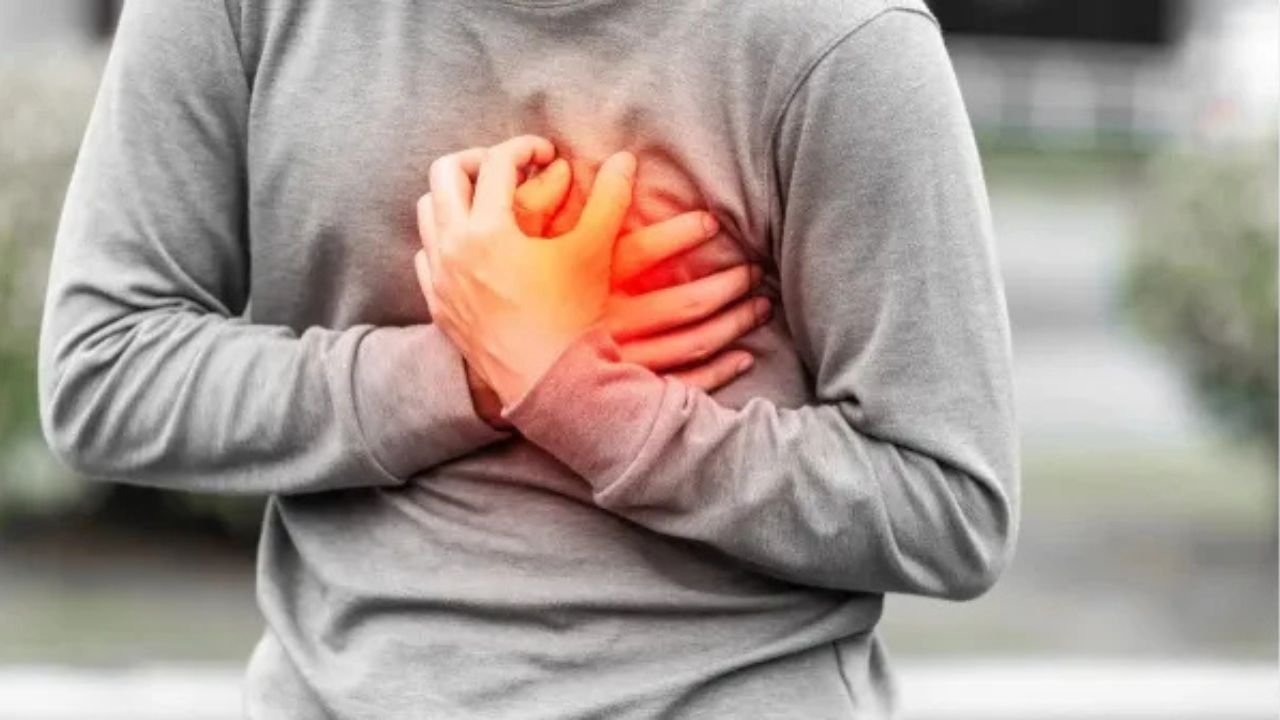
Pre-Heart Attack Symptoms: Heartbeats drive breathing. If the heart stops beating, life will be lost. Therefore, take utmost care of your heart health. There has been a sudden surge in heart attack cases after COVID-19. Young people are at greatest risk. If a heart attack is identified early and the patient receives immediate medical attention, lives can be easily saved. Therefore, you should not take heart attack symptoms lightly. The body begins to give signals even with the slightest heart problem. If you want to avoid a heart attack, don’t ignore these symptoms, thinking them to be minor.
Reputed doctor Balbir Singh (Chairman, Cardiac Sciences, Max Hospital) explained that 90 percent of people experience some symptoms a week or four to six days before a heart attack. However, sometimes these symptoms are so mild or mild that people don’t recognize them as a heart attack. They often fail to recognize them or ignore them. In cases of heart attacks, people often report feeling heaviness in their chest while going for a walk. Some people have experienced excessive belching, gas, and sweating after lunch, but then took a gas pill and felt better. Most people confuse heart pain with gas.
What does one feel before a heart attack?
The doctor explained that heart attack pain doesn’t necessarily start in the heart and travel to the left arm. Only then would it be considered a heart attack. Some people report a pricking sensation, like a needle prick in the heart. This is not usually associated with the heart. Because heart pain occurs throughout the chest, a heaviness is felt in both arms. Instead of sharp pain, you feel discomfort. When the pain becomes severe, it’s too late.
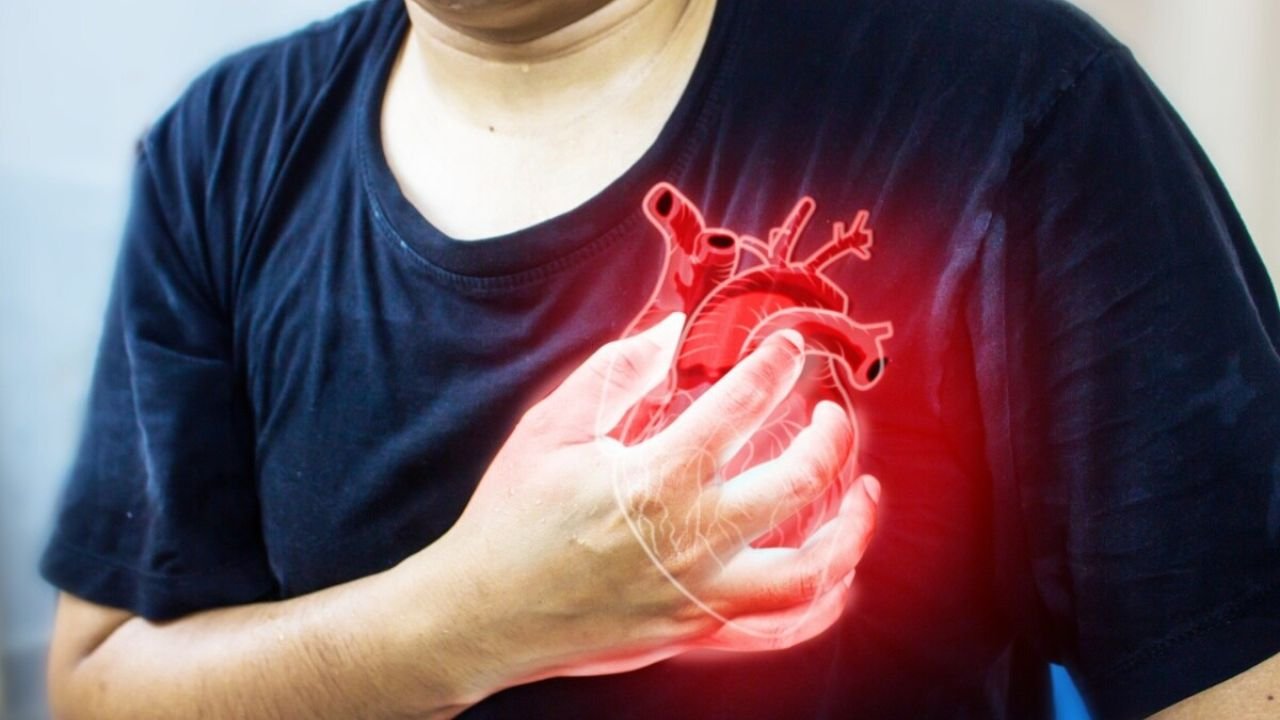
Where does heart attack pain occur?
- Heart attack pain can spread to both arms.
- This pain can spread from the chest to the shoulder.
- Pain may also occur in the back and neck.
- Sometimes it feels as if a noose is tied around the neck.
- This pain can occur anywhere from the neck to the upper abdomen.
- The pain of a heart attack begins with discomfort.
- You will feel a heaviness in the chest.
- You will initially feel discomfort, followed by pain.
- This pain may subside with rest, but will increase as you move.
If you experience any of these symptoms, especially if there is pain, understand that the situation has become quite serious. Therefore, it is very important to recognize the early symptoms of a heart attack. Some people say they feel heaviness while walking, but feel better when they sit down. This is a symptom of angina and should not be ignored under any circumstances.
Who is at higher risk of a heart attack?
If someone in your family has had heart disease or has had a heart attack. This means that your family has a history of heart disease. Someone with high blood pressure, high cholesterol, or diabetes should report any symptoms immediately. When these risk factors combine, the risk of a heart attack increases exponentially.