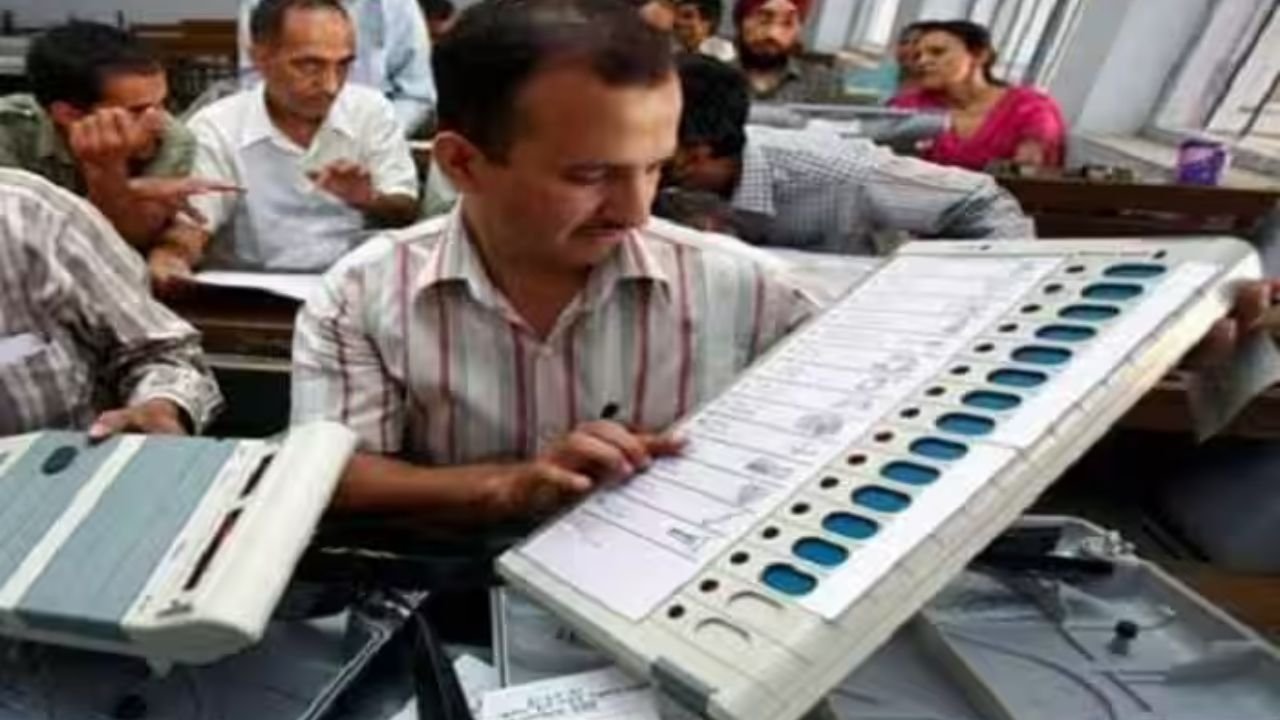
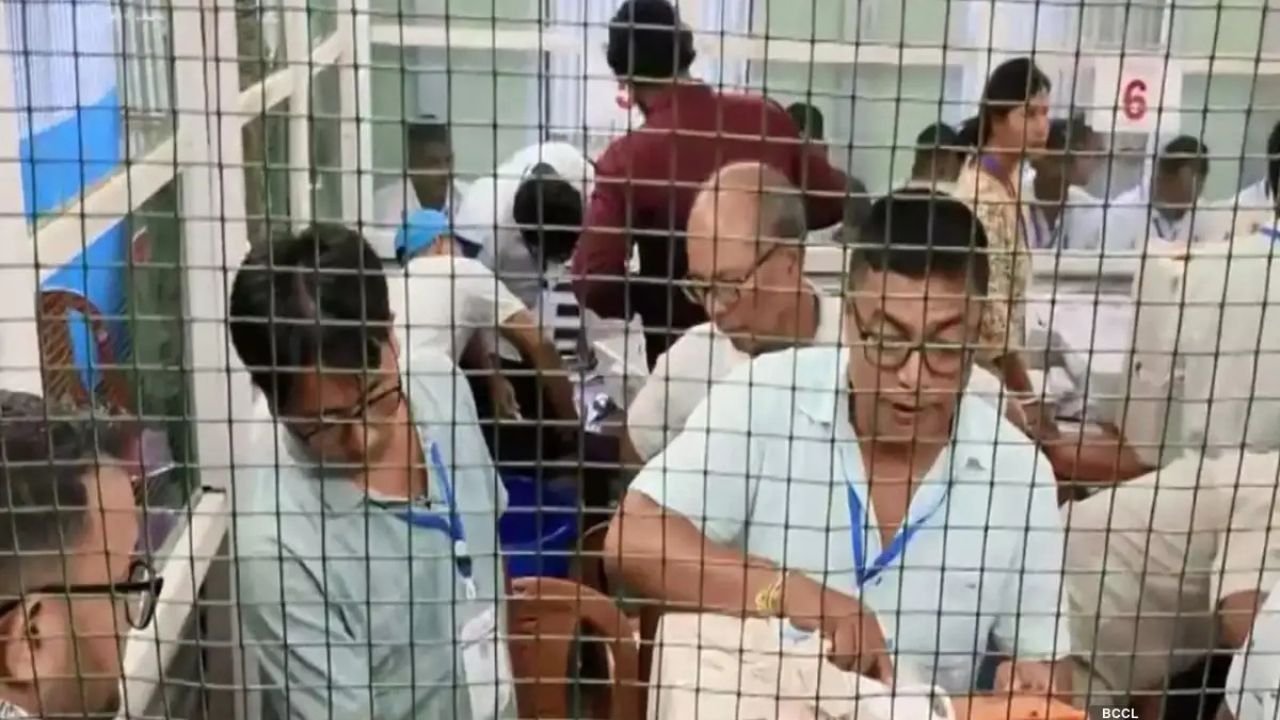
BTC Elections 2025: Counting of votes for the fifth general election to the Bodoland Territorial Council (BTC) began at 8 a.m. on Friday amid tight security arrangements. The BTC has a total of 40 constituencies, 12 of which fall in Kokrajhar district. 100 candidates contested for these 12 seats—43 from the Kokrajhar subdivision, 48 from the Gossaigaon subdivision, and one from Parbatjhora. A total of 316 candidates contested across the five districts of the Bodoland Territorial Region (BTR)—Kokrajhar, Chirang, Udalguri, Baksa, and Tamulpur. Voting for these elections concluded on September 22, 2025.
Current Leadership and Main Contenders
The current Chief Executive Member of the BTC, Pramod Boro, is the president of the United People’s Party Liberal (UPPL). This time, his party is facing a tough challenge from Assam’s ruling Bharatiya Janata Party (BJP). During the election campaign, Assam Chief Minister Himanta Biswa Sarma held several rallies in the BTR region. The BJP declared in its manifesto that this election would mark the beginning of a new journey for the Bodoland region. The manifesto promised to include five lakh women in Assam’s Orunodoi Scheme and Women Entrepreneurship Scheme, while female students would benefit from the Nijut Moina Scheme. Pramod Boro claims that the UPPL administration under his leadership has established peace and stability in the region after years of unrest.
Parties and Equations in the Electoral Battle
In the previous BTC elections, the BJP and UPPL formed the council government together, but this time the equations have changed. The Bodoland People’s Party (BPF) led by Hagrama Mohilary, the Congress, and other regional parties also contested vigorously. Of the 40 council seats, 30 are reserved for Scheduled Tribes (ST), five for non-ST candidates, and the remaining five are not reserved for the general category. This clearly shows that the electoral mathematics is primarily focused on tribal voters.
Voters and Future Challenges
A total of 2.658 million voters participated in the BTC elections this time, and 3,279 polling stations were set up for this purpose. The entire state is closely watching the results, as these elections will not only determine the governance and development plans of the Bodoland region, but will also have a profound impact on Assam’s politics in the coming years. This election will also determine which party in the region wins the public’s trust in fulfilling the demands for peace, development, and rights. The upcoming results will prove decisive for both the political direction and social balance of the BTR.